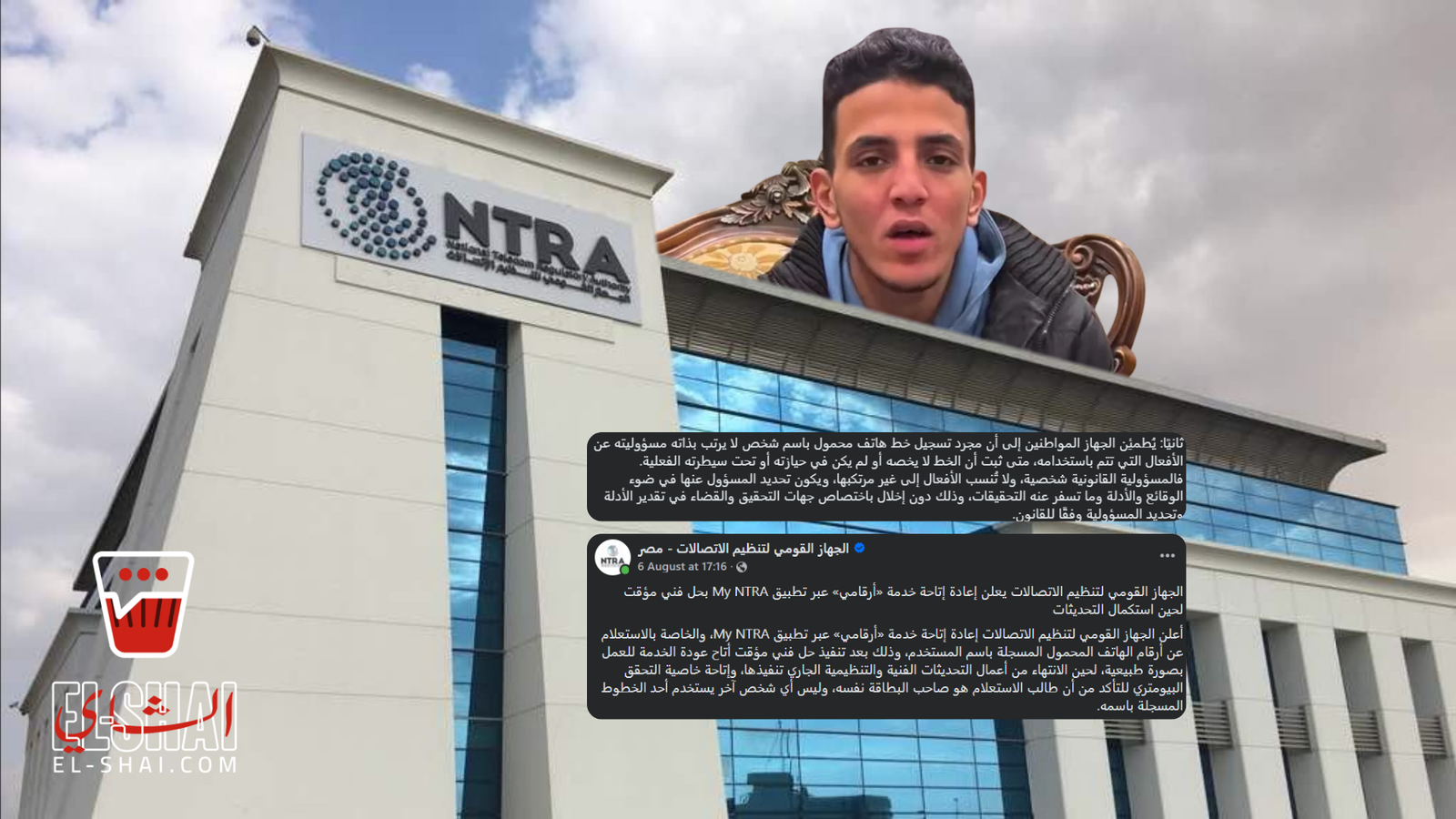
Earlier this month, the telecom sector faced a new case as a court sentenced Amr Emara to 25 years in prison over a phone number he had bought for an acquaintance. Someone with that same SIM card was later arrested while attempting to smuggle drugs through the Ahmed Hamdi Tunnel, which connects mainland Egypt to the Sinai Peninsula.
Why was Emara dragged into the case?
According to Masrawy, Emara visited a telecom service provider back in February 2024 to register for a SIM card. However, he left before picking up the physical card, which was later retrieved by someone else. Because registering a SIM card in Egypt requires presenting a National ID, someone else ended up using a line registered under Amro\ Emara’s name.
When a truck, disguised as a shipment of onions, was intercepted transporting illegal drugs through the Ahmed Hamdi Tunnel, law enforcement traced the registered owner of the line, leading directly to Emara’s arrest.
In the wake of Emara’s sentencing, a wave of panic led millions of Egyptians to check whether phone lines were registered under their own National IDs without their knowledge. Many discovered they had multiple unknown phone numbers tied to their names.
Users quickly flocked to the National Telecommunications Regulatory Authority’s (NTRA) official “My NTRA” app to check their records, only to find the app overloaded and non-functional.
In a televised phone interview on Ramy Radwan’s Men Maspiro, the official spokesperson for the NTRA stated that the app was experiencing technical difficulties due to an unprecedented surge in new registrations, promising it would be back up within a day or two. However, as of publication, the app has not worked for us either.
The situation exposes critical vulnerabilities regarding how personal data and National IDs are handled by telecom providers.
To make matters worse, several citizens reported that these unknown lines registered in their names also had active e-wallets attached to them. With money moving in and out of these accounts without their knowledge or consent, these illegal lines could easily be exploited for financial crimes or illicit transactions. Leaving innocent citizens legally liable for crimes tied to their identities.
Through a statement the NTRA stated: “The Authority reassures citizens that the mere registration of a mobile phone line in an individual’s name does not, in and of itself, establish legal liability for actions committed using that line, provided it is proven that the line does not belong to them, or was not in their possession or under their actual control.”
So, what is there to be done now?
Well, if the My NTRA app is working for you, you can use their “My Numbers” service using your National ID number to check if there are any SIM Cards you don’t know of linked to your name. And if there are, you can head to the specific service provider for that number, and shut it down. If the My NTRA app isn’t working for you, you could also call “155” and contact customer service to check if there are numbers registered to your national ID. The third option is that you go door to door to all five service providers in Egypt to personally check if somehow someone registered a phone number in your name.
This leaves Egyptians with several unanswered questions: Is the safety of our National IDs in the hands of the Telecom providers in Egypt in jeopardy? And if, as the NTRA stated, not being in possession of a phone number makes you not legally liable for any actions committed using that line, then why was Emara sentenced to 25 years in prison?
For now, the safest course of action is to use the options available to check if there are any phone numbers registered to your name, and shut them down.
And never, under any circumstance, register a sim card to your name for someone else’s use.