There’s a godly high in buying fresh school supplies, convinced this year will be different. Psychologists call it the “fresh start effect.”
Our brains enjoy temporal landmarks, like a new semester or a fresh month, because they create a clean wall between our messy previous selves and an idealized future version of us.
A brand-new notebook acts as a psychological clean slate. It tricks us into believing that fresh paper will somehow instantly cure chronic procrastination, 12 AM doomscrolling, and the urge to stare at a wall during a lecture. It’s pure retail therapy disguised as ambition.
But the moment you leave the stationery aisle, that harmless psychological trait collides with a harsher reality: the Egyptian back-to-school spending trap.
Because paying eye-watering tuition fees or university registration amounts was apparently never enough, Egyptian parents are now expected to fund an annual industrial complex of academic consumerism.
Long gone are the days when a couple of blue BIC pens, the satisfactory ‘Gallad’ (colorful book covers), and a few spiral notebooks from the local store could get you through the year.
Today, the back-to-school shopping list has mutated. Walk into any major stationary in Cairo, and you’ll find parents gazing blankly at lists that look like a full client brief.
We managed to get our hands on an international school’s supply list, and what?
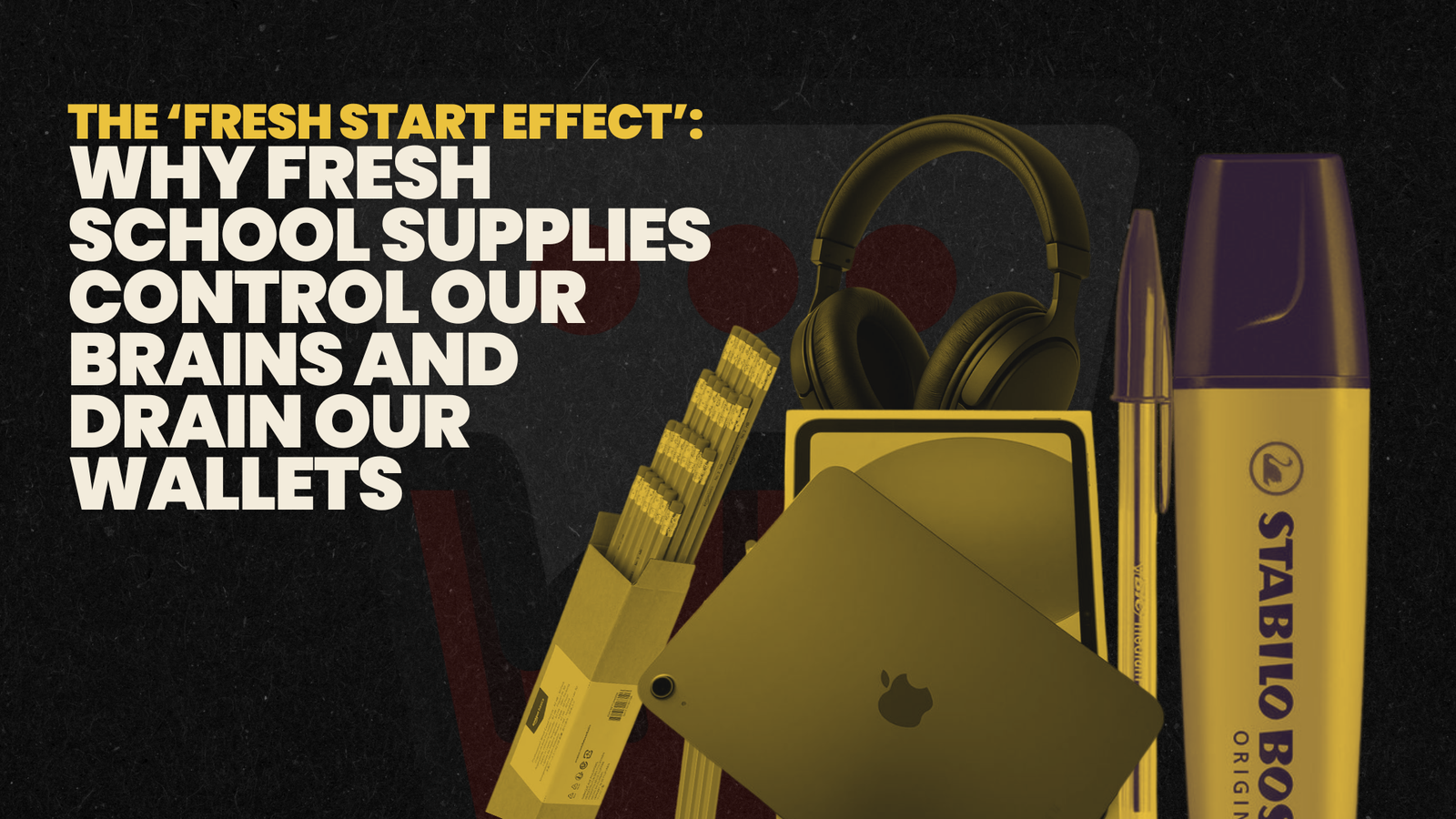
‘Velcro Shoes only worn daily.’ ‘3 Boxes of 12 pencils with erasers.’ ‘1 iPad.’ ‘1 pair of headphones.’ Seriously?
We’ve moved far beyond basic supplies into an era of aesthetic excess. Social media trends make it easy to feel like you need the latest pastel highlighter set to keep up.
But here’s the thing: you don’t have to buy in. Next time you see that viral haul, pause for a second. Ask yourself if you really need a fifth kind of sticky note, a whole new chair with a leg rest, or if your old supplies work just fine. Remind yourself that some of the best students keep it simple. Productivity won’t be found on an influencer’s Amazon storefront.
Kids and schools guilt parents into spending a small fortune on aesthetic desk organizers, luxury planners, pastel sticky notes, and specialized gear that looks great online but adds little value to education.
Even in higher education, where professors want a laptop and a working brain, the pressure to buy into the “aesthetic student” starter pack remains ridiculous. Still, we somehow fall for it. Thanks to the “fresh start effect.”
You can make a practical list of what you truly need for your courses and commit to sticking to it. Before you go shopping, check what leftover supplies you already have on hand.
Remember that no pen, planner, or pastel sticky note will magically change your habits or increase your productivity. Invest your money and energy in tools you will actually use, not ones that look good online.
Families and students are already bleeding money on tuition, private lessons, books, and transport. Yet they are hit with a hidden, secondary tax: redundant, overpriced supplies that gather dust or get abandoned by the second week of October.
Everyone goes back to writing messy lecture notes on loose scraps of paper at the end of the day.