Alexandria stopped. Ismailia disappeared from the calendar. Egypt’s National Film Festival has been gone for years. Port Said couldn’t get its second edition moving. Now, a newly reconstituted committee has decided that stalled festivals should return. So what exactly happened?
If Egypt’s film festival calendar has felt unusually confusing lately, that’s because it is.
Over the past few years, several established festivals have either stopped, been delayed, failed to receive approval or become caught in administrative disputes.
But there isn’t one big scandal connecting all of them.
Alexandria has been dealing with a dispute surrounding the association that organizes it. Ismailia stopped after problems surrounding its previous edition. The National Festival for Egyptian Cinema has been absent for years. Port Said struggled to move beyond its first edition.
Meanwhile, festivals including El Gouna have continued operating normally.
So why are we suddenly talking about all of them together?
Because the body responsible for regulating festivals in Egypt has just been reconstituted, and one of the first things it has done is address the festivals that stopped.
First: Who Are the People Deciding This?
The Higher Committee for Organizing Festivals and Cultural and Artistic Celebrations isn’t new.
What is new is its current formation.
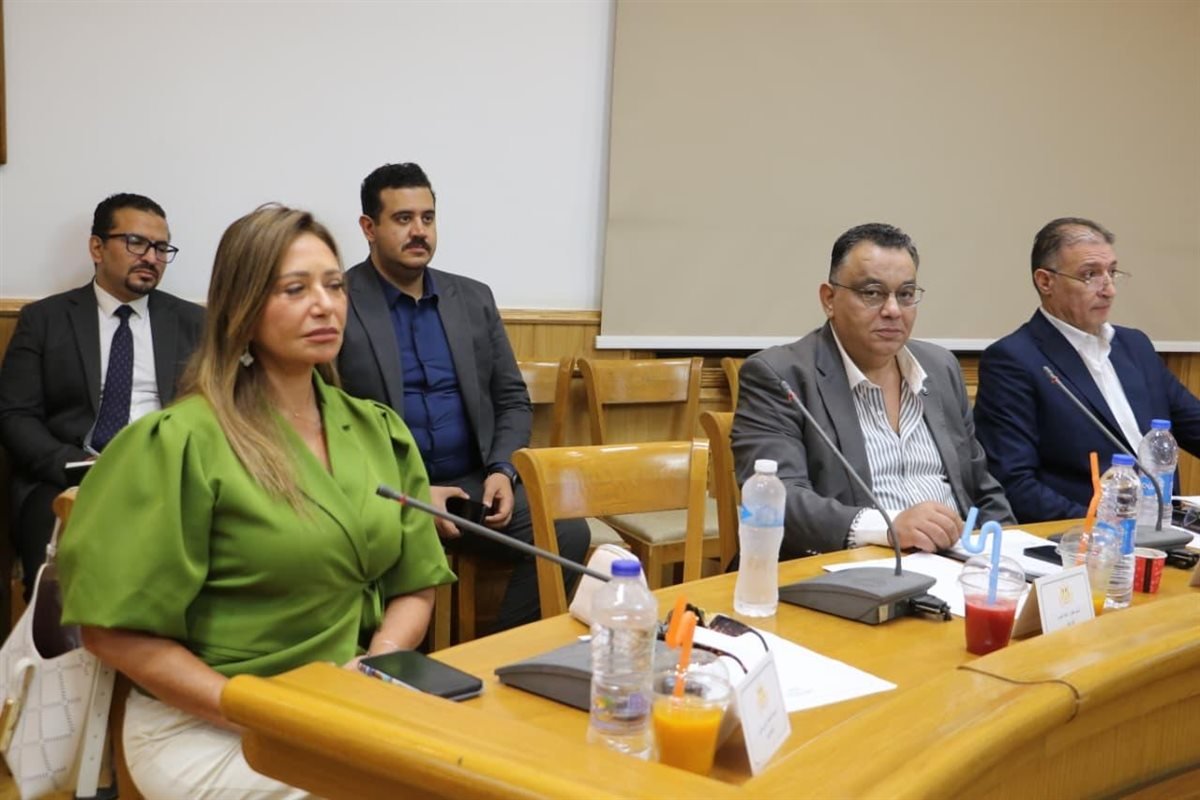
Acting Culture Minister Abdel Aziz Konsowa recently reconstituted the committee, bringing together government representatives and people from across Egypt’s film, television, theatre, music and cultural industries.
And this isn’t just a group of artists sitting around discussing whether they liked a festival.
The committee has actual regulatory power.
It examines applications for festivals organized by both government and non-government bodies, deals with the approvals required for them to take place, works on Egypt’s official festival calendar, reviews their objectives and regulations, follows their implementation and evaluates their results.
Its new formation includes representatives from ministries including Foreign Affairs, Interior, Finance, Tourism and Antiquities, Civil Aviation, Youth and Sports and Local Development, alongside a representative of the Cabinet’s General Secretariat and representatives of artistic unions and cultural bodies.
The industry members include some very recognizable names: Laila Eloui, Khaled El Nabawy, Yousry Nasrallah, Mohamed Hefzy, Gaby Khoury, Abdel Rahim Kamal, Amr El Leithy, Essam Zakaria, Ragih Daoud and others.
In other words, when this committee discusses whether a festival can return, the decision actually matters.
And the timing of its new formation comes after a strange period in which several Egyptian film festivals had fallen off the calendar for completely different reasons.
So What Went Wrong?
This is where things get messy.
There isn’t one answer.
Alexandria: The Festival Got Caught in a Much Bigger Administrative Fight
The Alexandria Mediterranean Countries Film Festival was supposed to celebrate its 42nd edition in September 2026.
It didn’t.
The festival is traditionally organized by the Egyptian Association of Film Writers and Critics, and the association itself became caught in serious internal administrative disputes.
At the same time, questions were being raised about the festival’s recent editions and how it was being managed.
The situation escalated beyond normal festival criticism. The Ministry of Social Solidarity became involved in dealing with the legal and administrative situation surrounding the association, while discussions took place over forming a temporary committee to manage its affairs.
The Higher Committee had already refused permission for Alexandria’s 42nd edition to proceed in its previous form.
So by September, one of Egypt’s oldest film festivals effectively had no edition.
The important distinction here is that the festival itself wasn’t necessarily being killed off. The organization behind it was the problem that needed to be resolved.
And that distinction explains what happened next.
Ismailia: Problems With the Previous Edition Stopped the Next One
The Ismailia International Film Festival for Documentaries and Shorts is another long-running festival, but its problem is different.
Its 26th edition took place, but the aftermath included problems and disputes serious enough to disrupt what was supposed to happen next.
The festival then disappeared from the calendar.
There has also been an industry debate about how Ismailia should be managed, including criticism of changes to the traditional relationship between the festival presidency and the leadership of the National Cinema Center.
So Ismailia wasn’t dealing with Alexandria’s association dispute.
It had its own management and organizational problems following its previous edition.
And instead of another edition following normally, the festival stalled.
The National Festival for Egyptian Cinema: It Just… Hasn’t Come Back
Then there’s the National Festival for Egyptian Cinema, which might be the strangest case because its absence predates the current mess.
The festival hasn’t been held since 2022.
That’s particularly significant because this isn’t a small independent festival. It is a Ministry of Culture festival specifically dedicated to Egyptian cinema.
There was finally good news at the beginning of 2026.
The Ministry announced that the festival would return for its 25th edition, marking its silver jubilee, with producer Hesham Soliman appointed president.
Committees were formed. Regulations were discussed. Preparations started.
The edition was expected in April.
And then April passed without the festival taking place.
So the National Festival isn’t a case of the Higher Committee rejecting an edition. It’s a festival that had already been absent for years, officially announced its comeback and still hasn’t made that comeback.
Port Said: A Much More Boring Problem
Not every stalled festival has a dramatic story behind it.
The Port Said Film Festival held its first edition but then ran into trouble getting its second edition approved.
When the Higher Committee considered its application earlier this year, the decision was postponed because required administrative documents had not been completed.
That’s basically it.
Compared with Alexandria and Ismailia, Port Said’s problem was much more procedural.
But the result was the same: another festival sitting in limbo.
And Then There Are Festivals That Were Simply Put Under Review
The CAM International Film Festival was another case where the committee didn’t immediately approve the next edition.
Instead, organizers were asked to submit a detailed report about the previous edition before a decision was made.
Again, that didn’t mean the festival was permanently cancelled.
It meant the regulator wanted to evaluate what had already happened before approving another edition.
So Why Does This Suddenly Feel Like a Bigger Issue?
Because when you look at each festival separately, every case has an explanation.
When you look at them together, though, you suddenly have multiple Egyptian film festivals either absent, stalled or waiting for someone to decide what happens next.
And these aren’t all new festivals trying to establish themselves.
Alexandria has existed for decades. Ismailia has an established international identity around documentaries and shorts. The National Festival is supposed to be Egypt’s own annual celebration of Egyptian cinema.
That is why the reconstitution of the Higher Committee matters.
One of the first major questions facing its new formation was essentially:
What do we do with all the festivals that stopped?
And now we have an answer.
What Did They Actually Decide?
At its latest meeting, the committee moved toward bringing the stalled festivals back rather than allowing them to disappear.
The reported decisions include the return of festivals in Port Said, Ain Sokhna, Aswan, Luxor and Ismailia.
Alexandria is getting a more unusual solution.
The Alexandria Mediterranean Countries Film Festival will return under the Ministry of Culture while the situation surrounding its organizing association is resolved.
The Cinema Committee has been tasked with determining a proposed date and presenting candidates to lead the festival.
So Alexandria isn’t simply getting permission to try again.
The Ministry is temporarily stepping into the structure itself.
Does This Mean Everything Is Fixed?
Not yet.
An approval to return isn’t the same thing as having a functioning festival.
Some of these festivals still need dates. Some need leadership. Some need their administrative structures resolved. And the National Festival for Egyptian Cinema remains an important unanswered question after its previously announced 2026 return failed to happen as planned.
There are also larger questions that don’t disappear just because a festival has permission to come back.
How should these festivals be managed? Who should run them? How are previous problems evaluated? When does government intervention help save a festival, and when should an independent festival remain independent?
Those questions are particularly relevant now because the new Higher Committee isn’t only approving events. Its mandate includes evaluating how festivals perform after they happen.
So, Is There Actually Good News Here?
There is at least a clearer direction than there was a few weeks ago.
The immediate response to struggling festivals does not appear to be simply cancelling them permanently.
Instead, the committee’s first moves under its new formation point toward reviving stalled festivals while dealing with their problems individually.
Port Said can move forward after its administrative issue.
Ismailia has been given a path back.
Alexandria is being kept alive while the dispute surrounding its organizing association is dealt with separately.
And the wider message from the committee is that festivals that stopped should return.
That doesn’t mean Egypt’s film festival problem has suddenly been solved.
But after a period where several festivals simply disappeared from the calendar with very different problems behind each one, there is finally an attempt to separate the festivals themselves from the crises that stopped them.
And that might be the most important part of what just happened.
The question now isn’t whether Egypt still wants these festivals.
It’s whether their return can fix the problems that made them disappear in the first place.