
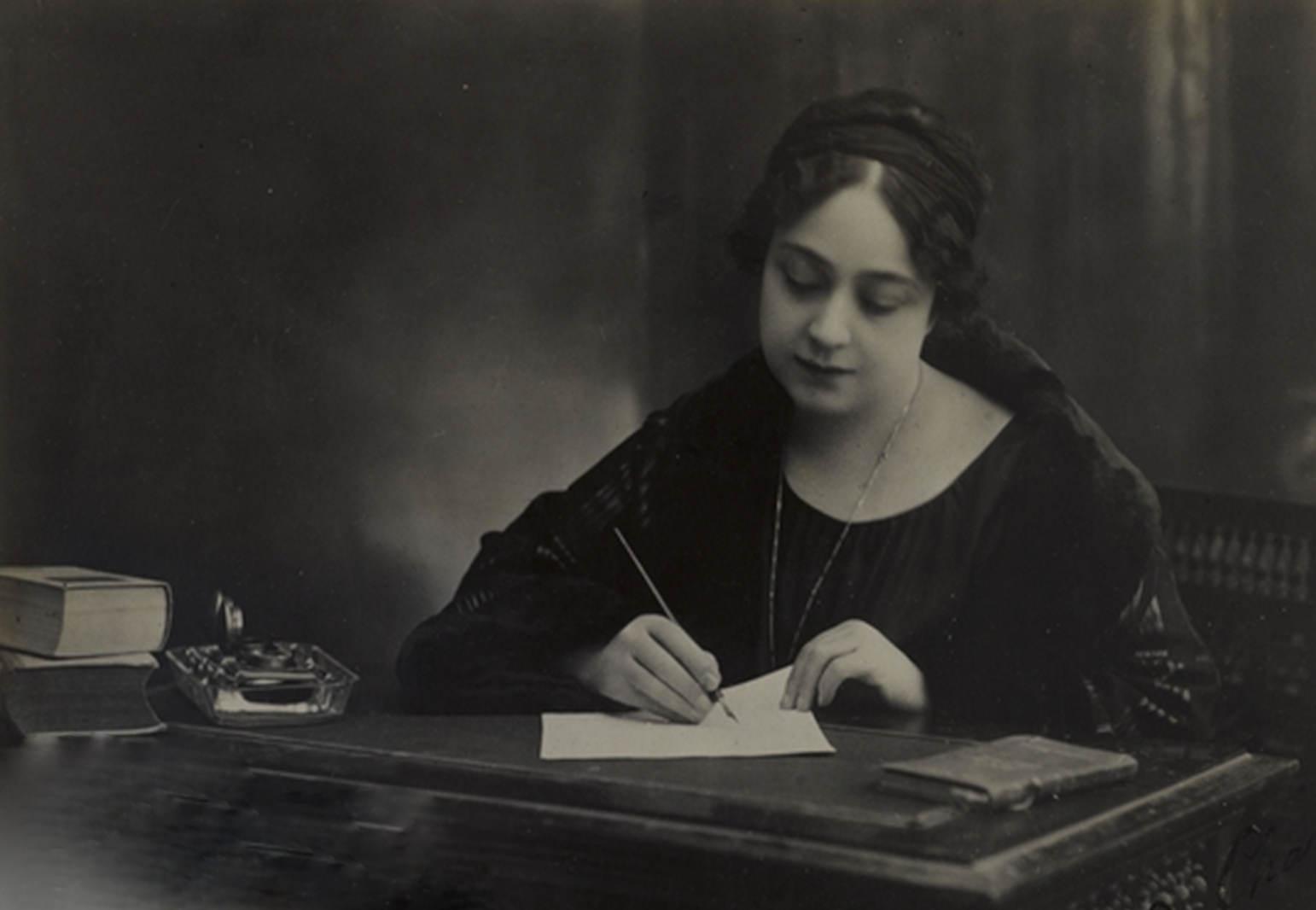
Most Egyptians know Huda Shaarawi’s name. Many know the story of her removing her face veil at a Cairo train station in 1923. But far fewer know what she actually spent decades fighting for.
She wanted Egyptian girls to attend school and university, women to vote, an end to child marriage, and changes to laws that gave men far greater power over marriage and divorce.
Her demands weren’t simply about changing how women dressed. They were about changing how Egyptian society treated them.
In 1923, Shaarawi founded the Egyptian Feminist Union, which became one of the country’s most influential women’s rights organizations. Its agenda included political representation, education, marriage reform, and public health.
1. She Wanted Girls to Have the Same Educational Opportunities as Boys
Today, girls attending university is ordinary. In Shaarawi’s time, access to secondary and higher education was severely restricted.
Education was one of her most immediate priorities.
In July 1923, representatives of the Egyptian Feminist Union presented two major demands to the government. The first was to allow girls access to secondary and higher education and the examinations necessary to obtain those qualifications.
This wasn’t just a general statement about the importance of education. It was a specific demand to remove institutional barriers preventing girls from advancing academically. Shaarawi documented it in her memoirs.
2. She Wanted to Stop Girls From Being Married as Children
Huda Shaarawi knew firsthand what it meant to have little control over her own future.
In 1892, at just 13 years old, she was pressured into marrying her cousin and legal guardian, Ali Shaarawi, who was in his forties. He already had children from a previous relationship.
Her mother had insisted on conditions in the marriage agreement: Ali was to free the woman he held as a concubine, end their relationship, and remain in a monogamous marriage with Huda.
But approximately 15 months into the marriage, Huda discovered that Ali had resumed the relationship and that the woman was expecting another child.
Huda separated from him and returned to her mother’s home, where she spent the next seven years continuing her education and experiencing greater independence.
Eventually, under family pressure, she returned to the marriage. The couple went on to have two children, a daughter and a son.
Their relationship also changed over time. Ali became supportive of Huda’s growing involvement in public life and political activism, particularly during Egypt’s nationalist movement.
Years later, Shaarawi became a leading advocate for raising the minimum legal marriage age, fighting against a system that had allowed her own marriage at 13.
In 1923, Egypt introduced minimum marriage-age restrictions of 16 for girls and 18 for boys, an important victory for the women’s movement, although child marriage continued.
3. She Wanted Egyptian Women to Vote
When Egypt adopted its 1923 Constitution, women remained excluded from voting and parliamentary representation.
Shaarawi and the Egyptian Feminist Union challenged that exclusion, campaigning for women’s political rights.
The argument was especially significant after the 1919 Revolution, when women had participated in demonstrations against British occupation but were still denied an equal political voice.
Shaarawi did not live to see Egyptian women gain national voting rights. She died in 1947, nine years before women secured the right to vote and stand for parliament under the 1956 Constitution.
4. She Wanted Marriage and Divorce Laws to Treat Women More Fairly
Her demands extended to what happened inside Egyptian homes.
The Egyptian Feminist Union campaigned for restrictions on polygamy, reforms to men’s ability to divorce their wives unilaterally, and stronger legal protections for women in marriage.
This was one of the movement’s most difficult battles, challenging established legal and social structures.
Unlike the early marriage-age and education reforms, many of these demands were not achieved during Shaarawi’s lifetime.
5. She Wanted Women to Have a Greater Role in Public Life
For Shaarawi, women’s participation in society couldn’t end at the family home.
Her activism promoted women’s involvement in education, charitable institutions, political organizing, and public affairs. The Egyptian Feminist Union also supported improvements in healthcare for women and children and campaigned against state-regulated prostitution.
These initiatives challenged the idea that women should remain absent from decisions affecting society.
6. But Did Her Movement Represent All Egyptian Women?
Shaarawi came from a wealthy, influential family, and the early Egyptian feminist movement was largely led by upper- and middle-class women.
That privilege gave its leaders access to education, political connections, and opportunities unavailable to most Egyptian women.
Historians have examined how the movement’s priorities sometimes differed from those of working-class and rural women, whose immediate concerns also included employment, poverty, and economic security.
This doesn’t erase Shaarawi’s achievements. But it reminds us that the history of Egyptian women’s rights is bigger than any single woman or organization
A Legacy Bigger Than One Event
Huda Shaarawi is often remembered for removing her face veil in 1923, but her political work involved far more than that symbolic gesture.
She helped build an organized movement that demanded educational opportunities, political participation, and legal protections for Egyptian women at a time when many of those demands were controversial.
Not everything she wanted became reality during her lifetime. Some reforms took decades, while others remain subjects of debate today.
Perhaps the most important part of her legacy isn’t what she wore or didn’t wear. It’s that she insisted Egyptian women should have a say in the laws, institutions, and decisions governing their lives.


