
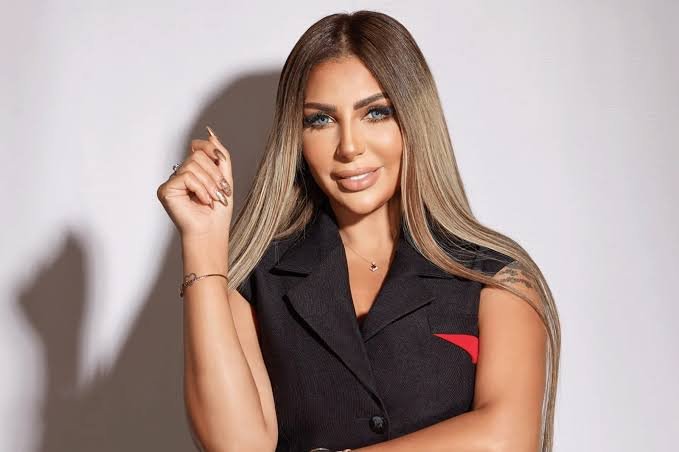
Egyptian presenter and entertainment producer Sara Khalifa is accused of financing and helping manage a major synthetic-drug organization.
But understanding the reaction requires separating the drug prosecution from her other cases, examining the evidence she disputes, and distinguishing accountability from sexist coverage.
Sara Khalifa’s name has become one of the biggest stories in Egypt after a criminal court sent her papers, alongside those of 12 other defendants, to the Grand Mufti.
For anyone who has not followed the case from the beginning, the story can be difficult to understand. Reports regularly move between a major drug operation, the alleged torture of her former driver, singer Essam Sasa’s forged power of attorney, her marriage to footballer Kahraba, and several other investigations without explaining how, or whether, they are connected.
The result is a debate built around two extreme positions. Some have already declared Sara a criminal mastermind who deserves whatever happens to her. Others are presenting her as another woman being destroyed by a system supposedly targeting successful or visible women.
The available information tells a more complicated story. The accusations against her are extremely serious, but not every story attached to her name is part of the same case, and the possible death sentence has not yet become a final judgment.
Who Is Sara Khalifa?
Sara Khalifa is an Egyptian television presenter, entertainment producer, concert organizer, and businesswoman.
She reportedly began her career in television, working with the Iraqi Al Sharqiya channel before appearing on Egypt’s Al Mehwar channel. She later moved into the beauty industry, advertising, artist management, and entertainment production.
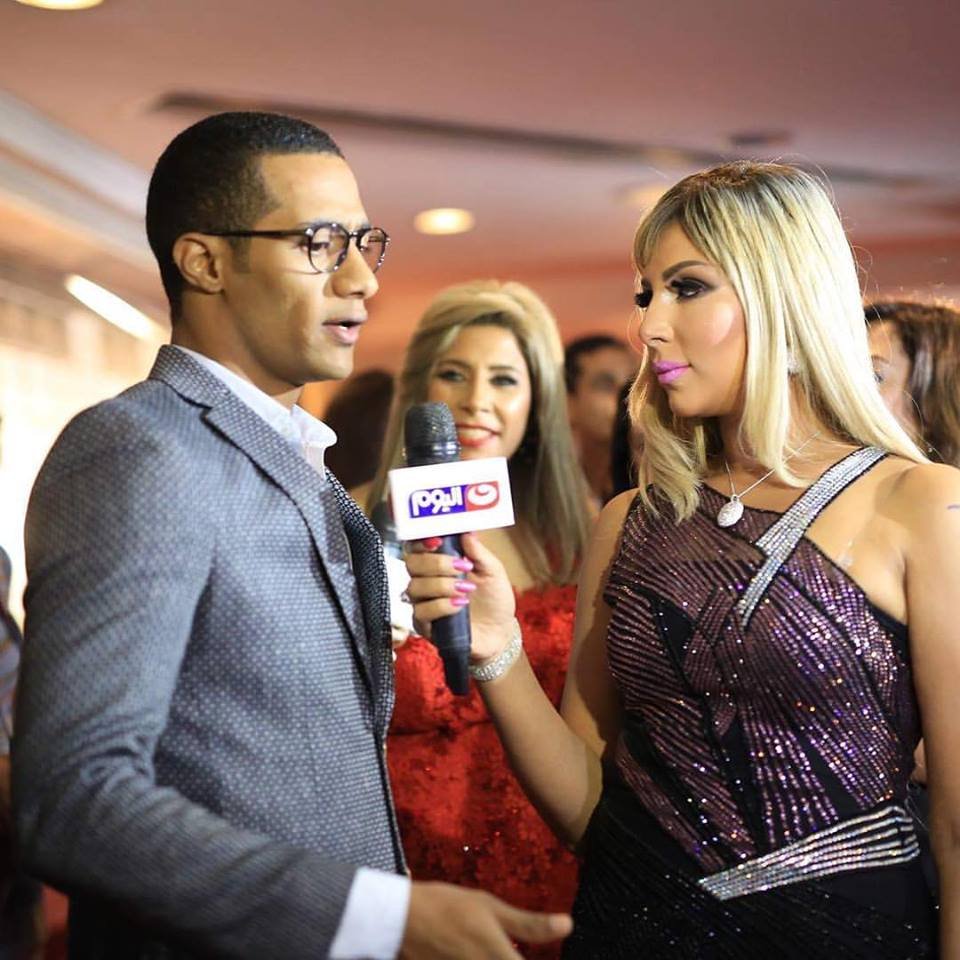
Through her company, Sara Production, she organized concerts and events in Egypt and the Gulf. Her work connected her professionally to several popular and mahraganat performers, including Hamo Bika, Essam Sasa, Hassan Shakosh, and others. In 2024, she co-presented a television program with Hamo Bika.
She was also publicly known through her short marriage to Egyptian footballer Mahmoud Abdel Moneim, known as Kahraba. Reports from 2016 described them as having married privately before separating approximately six months later.

There are conflicting reports about her age and education, meaning neither can be confirmed with confidence. After her arrest, the Egyptian Media Syndicate also said she was not registered with the syndicate and did not have a permit to practice as a professional media presenter. However, no final criminal judgment concerning that specific accusation has been publicly reported.
Why Were Her Papers Sent to the Grand Mufti?
Sara is one of 28 defendants accused of forming an organized network that imported chemicals, manufactured synthetic drugs inside Egypt, and distributed the finished products for profit.
On August 4, 2026, the Cairo Criminal Court sent the papers of Sara and 12 other defendants to the Grand Mufti and scheduled the final judgment for September 5, 2026, according to Al-Ahram.
Sending the papers to the Mufti is a required legal step when an Egyptian court is considering capital punishment. The Mufti examines the case and provides a non-binding religious opinion before the judges formally announce their decision.
This means the possibility of a death sentence is real and serious, but the final sentence has not yet been announced.
The substances in the case were frequently described in the media as “powder” or “synthetic hashish.” They were not ordinary plant-based cannabis. The case concerns laboratory-manufactured chemicals intended to produce cannabis-like effects, including a synthetic cannabinoid identified as MDMB-4en-PINACA.
Prosecutors say the alleged organization was divided into groups responsible for sourcing chemicals abroad, bringing them into Egypt, manufacturing the drugs, packaging them, storing them, and distributing them.
Two alleged organizers, Iraqi defendant Dureid Abdel Latif al-Samarani and Egyptian defendant Sameh Mohamed Zaki, are reportedly fugitives outside Egypt.
A third alleged organizer, Fathy Khaled Fathy Attia, known as Fathy El-Abyad, was already serving a life sentence in an earlier drug-trafficking case. Prosecutors say he continued directing parts of the new operation from prison through a smuggled mobile phone.
What Is Sara Accused of Doing?
Sara is not accused only of possessing or personally using drugs. The prosecution describes her as one of the alleged organization’s financiers and managers.
According to the investigation, she provided money for the operation, traveled abroad to meet the first and second defendants, helped coordinate the purchase and importation of raw chemicals, and participated in managing the organization.
Prosecutors also say Sara communicated with Fathy El-Abyad while he was in prison. CCTV reportedly showed defendants entering and leaving a residence associated with her. At the same time, a handwriting expert connected her to a notebook containing names, numbers, and financial amounts prosecutors believe were related to the operation.
According to Masrawy’s account of the investigation, the first three defendants allegedly established the organization before Sara and another defendant joined its management.
During the first police operation, authorities announced the seizure of approximately 200 kilograms of synthetic cannabis, large quantities of raw chemicals, manufacturing and packaging equipment, gold, Egyptian and foreign currency, and five vehicles.
The drugs seized during that operation were valued by authorities at approximately EGP 420 million, ironically.
After additional arrests, prosecutors said the complete case involved more than 750 kilograms of finished synthetic drugs and raw manufacturing materials across several defendants, properties, and operations.
According to Al-Masry Al-Youm, the prosecution relied on 20 witnesses alongside physical evidence, messages, photographs, videos, surveillance footage, and chemical reports.
Why Could These Accusations Lead to Death?
Egyptian narcotics law allows capital punishment for importing drugs without authorization, manufacturing narcotics for trafficking, managing a drug organization, or knowingly participating in one.
Sara is therefore facing a possible death sentence because prosecutors accuse her of financing, managing, and coordinating an organized manufacturing and trafficking operation. She is not facing death for drug use or simple possession.
Whether the prosecution has proved that role beyond a reasonable doubt is a separate question. That is what the court is expected to address in its judgment.
Sara, obviously, has denied the accusations. During her first appearance, she told the judge that she had never seen the drugs until she was photographed with them inside the anti-narcotics authority’s office, according to Akhbar Al-Youm.
Her lawyers argue that the arrest and search procedures were invalid, that the physical evidence was not directly connected to her, and that items seized from several properties were unfairly attributed to every defendant. They have also challenged the handwriting analysis and said her money came from concerts, advertising, beauty businesses, work in Dubai, and gold investments.
Sara has additionally alleged that she was tortured and subjected to electric shocks after her arrest. Medical reports concerning her reported injuries were submitted during the trial, but no final judicial finding establishing what caused those injuries has been publicly reported.
The Separate Case Involving Her Former Driver
The drug investigation reportedly led authorities to another case after investigators examined Sara’s phones and discovered videos involving her former private driver.
Prosecutors say the incident occurred in Sara’s Agouza apartment in October 2021. They allege that Sara and Fathy El-Abyad suspected the driver of telling police where Fathy was hiding while he was wanted in another case.
According to the prosecution, Sara asked the driver to come to her apartment, confronted him, contacted Fathy, and detained the driver until other men arrived. The group allegedly beat him using the body of a firearm and two knives, stripped him, sexually assaulted and humiliated him, filmed him naked while injured, and threatened to publish the footage if he contacted the police.
Sara’s lawyers deny her criminal responsibility and have challenged the legality of the investigation, the evidence, and whether the New Cairo court had jurisdiction over an incident that allegedly occurred in Agouza.
This is a separate case from the drug prosecution, and it is not the reason her papers were sent to the Grand Mufti. However, it is relevant to the wider public discussion about her character and whether she should automatically be treated as a victim simply because she is a woman.
With all of that said, it’s disgusting how her gender is being used to defend her, and it’s not doing anything but bringing the feminist movement backward!
Some of the coverage surrounding Sara has clearly been gendered. Reports repeatedly focus on her appearance, clothes, celebrity relationships, and former marriage to Kahraba. Photo galleries about her looks have appeared beside reports concerning drug trafficking and sexual assault.
Criticizing sexist media coverage is fair. But sexist coverage does not automatically mean the criminal case itself is a war on women. The reality is, women can still be as awful as men, and being a woman does not mean she’s innocent.
Sara is one of 28 defendants, both men and women. The 13 people whose papers were sent to the Mufti also include both men and women. The prosecution says they were selected according to their alleged positions in financing, management, importation, manufacturing, and testing.
The death penalty itself can and should be debated. A person can oppose executing someone for a non-lethal drug offense, question whether the chemical was properly classified, challenge police procedures, and insist on the highest standard of evidence.
None of that requires turning Sara into a feminist symbol or ignoring the alleged victims.
The separate driver case is especially important here. The alleged victim is a male employee who was reportedly beaten, stripped, sexually violated, filmed, and threatened. Taking his allegations seriously is not an attack on women. Male victims of sexual violence should not disappear from the discussion simply because the accused is female.
Sara deserves a fair trial, reliable evidence, lawful procedures, and protection from torture or sexist treatment. Every defendant does.
She does not deserve to be judged through her clothes, relationships, appearance, or entertainment career. Those details have no place in deciding whether she committed a crime.
But being a woman does not place someone beyond accountability. If the prosecution proves that Sara knowingly financed and managed a large drug-manufacturing organization, that is a serious crime. If the separate allegations involving her driver are proven, they describe exceptionally cruel and abusive conduct.
Whether those crimes justify execution is another question. Accountability and the death penalty are not the same thing. A person can believe that Sara should be held responsible if convicted while still opposing capital punishment.
The final drug judgment is scheduled for September 5. Until then, the most accurate conclusion is that Sara Khalifa is facing severe consequences because prosecutors accuse her of holding a senior role in an organized drug operation, not because she is a successful or publicly visible woman. Those accusations must still be proven through a fair and legally sound judgment.


