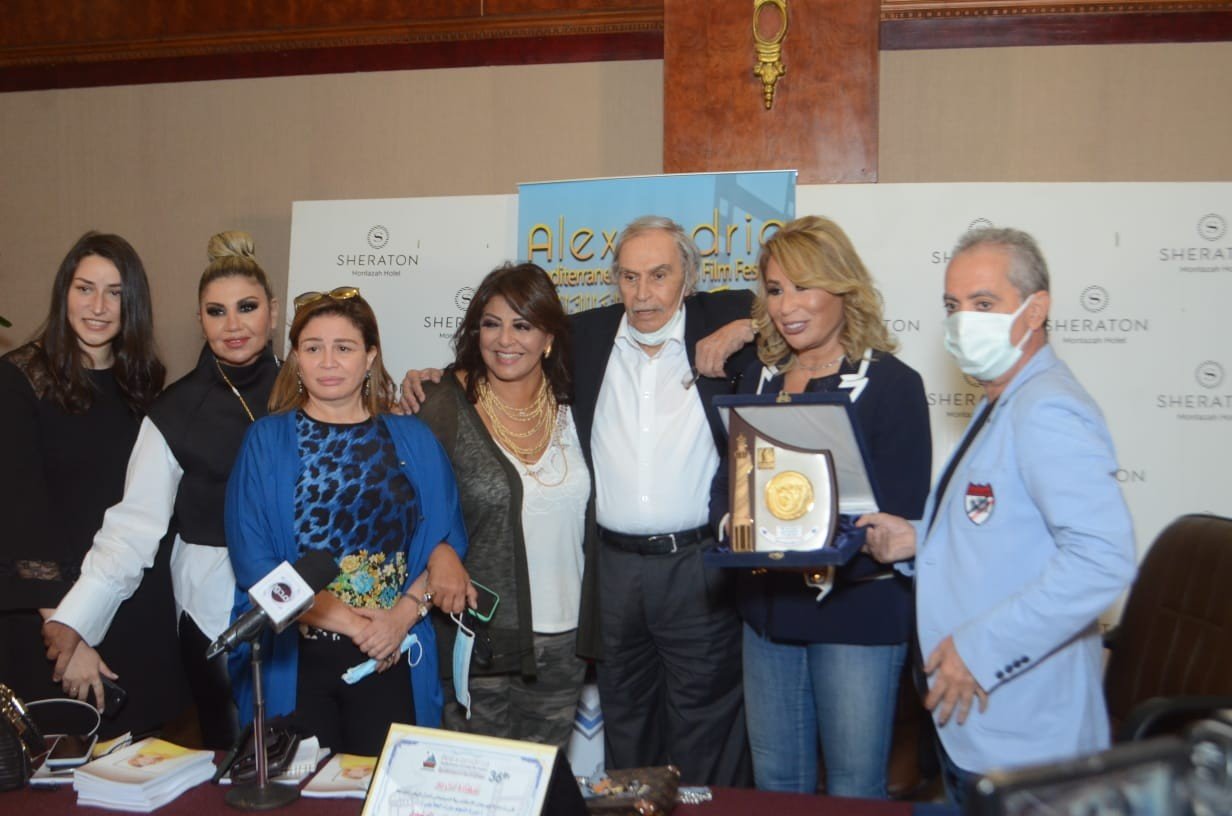
The Ministry of Culture’s recent license freeze on the Alexandria Mediterranean Film Festival exposes a deeper, structural crisis: heritage alone can no longer compete with agile, community-first indie platforms.
The sudden decision by the Higher Committee for Festivals, under Minister Dr. Gihan Zaki, to freeze the license for the 42nd edition of the Alexandria Mediterranean Film Festival sent shockwaves through the industry.
However, the writing has been on the wall for years. This isn’t just a localized administrative hiccup; it is a full-blown systemic fracture. The Ministry is making a massive policy shift from passive financial auditing to strict qualitative evaluations of public value and cultural return on investment.
What Actually Happened?
The denial of the operating license for the 42nd edition—originally scheduled to run from September 26 to 30, 2026—was finalized following a joint session between the Higher Committee for Festivals and the Ministry’s Cinema Committee.
According to internal compliance records and public statements from committee board member and director Omar Abdel Aziz, the administrative deadlock stems from an ongoing refusal by the festival’s organizing body, the Egyptian Association of Film Writers and Critics, to address formal procedural and administrative corrections issued in preceding cycles.
The Ministry’s evaluation prioritized three key administrative failures: an insular boardroom dynamic that stifled internal democratic governance, a repetitive, closed-circle strategy for international delegate invitations, and an uncorrected breakdown in local public engagement.
Board member Mohamed Shokr, an active opposition figure within the association, launched formal legal notices to compel direct ministerial intervention, criticizing historical practices where technical or creative failures were obscured by routine budget approvals from external social solidarity agencies. The Higher Committee is shifting its regulatory policy from passive financial auditing to strict qualitative evaluations of public utility, cultural return on investment, and national prestige.
From Mediterranean Masterpieces to Boardroom Battles
Founded in 1979 by the legendary critic Kamal El-Malakh, the Alexandria Film Festival was once a cultural powerhouse. It served as Egypt’s second-oldest international film event and a crucial bridge connecting Arab cinema with heavyweight European arthouse films. During its golden era in the ’80s and ’90s, it was the ultimate launchpad for North African masterpieces that couldn’t find commercial theater windows in Egypt.
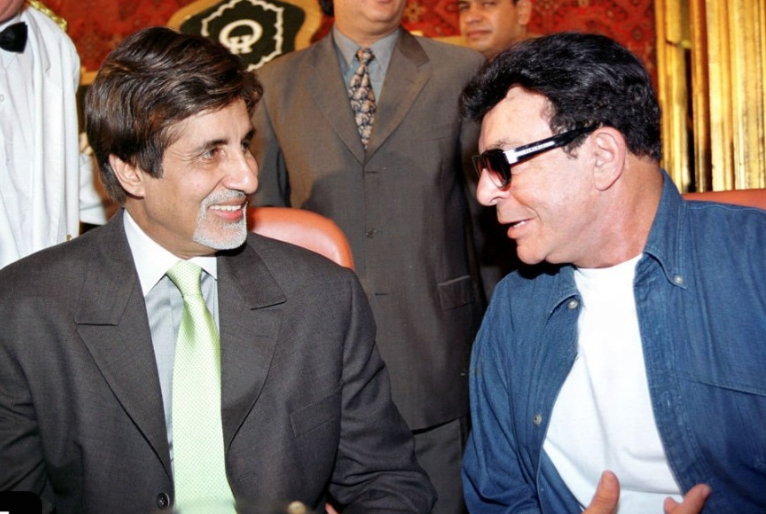
But over the last fifteen years, that legacy completely stagnated. The festival’s organizing body, the Egyptian Association of Film Writers and Critics, became trapped in its own rigid, decades-old civil association structures. Instead of evolving, the management fell into deep institutional bureaucracy and insular boardroom politics. While modern hybrid public-private festivals emerged with massive corporate backing and digital agility, Alexandria remained entirely reliant on state subsidies, unable to compete for premier international titles or adapt to an evolving industry.
Funny Enough, Those Old Festivals Can’t Even Reach the Elite Part They’re Seeking
The funniest part about Alexandria’s stagnation is that while it was busy drowning in its own administrative paperwork, the regional film landscape completely shifted underneath it. Enter the ultra-elite, heavily capitalized giants: the El Gouna Film Festival down the coast, and Saudi Arabia’s Red Sea International Film Festival just across the water. These aren’t just events; they are massive, slickly produced industrial ecosystems backed by multimillion-dollar budgets, international PR firms, and astronomical cash prizes.
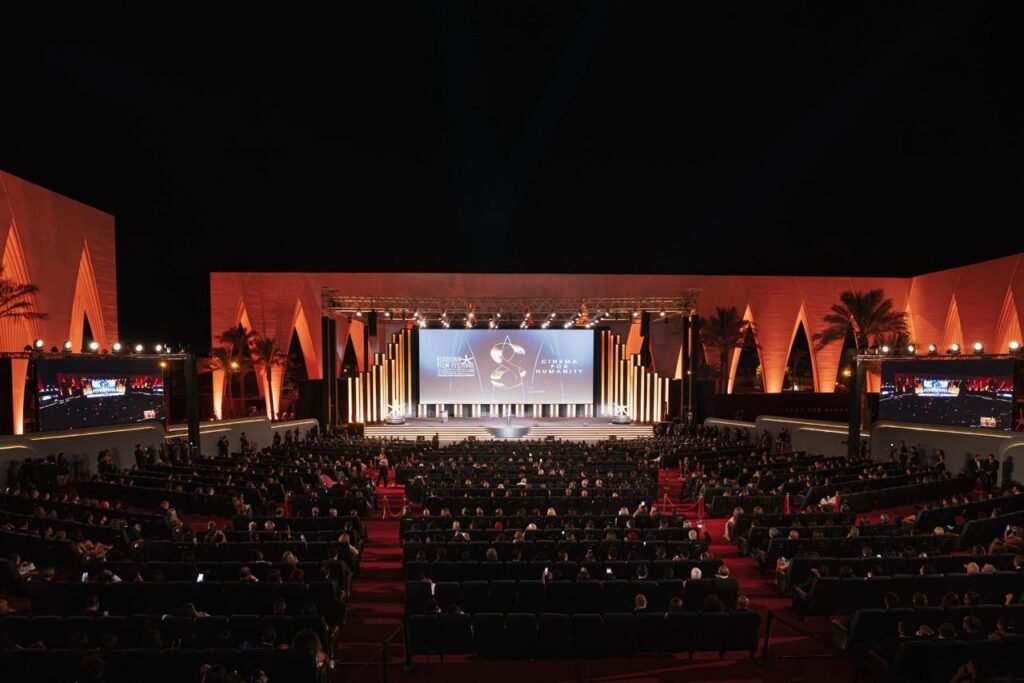
For an old-school heritage festival like Alexandria, competing on the global stage became an overnight impossibility. It simply didn’t have the financial muscle or the regional clout to secure premier international film titles, book A-list global talent, or attract major distribution buyers.
While Gouna and the Red Sea Festival were busy redefining red-carpet glamour and film market dynamics across the entire MENA region, Alexandria was left holding on to its historical legacy, unable to even enter the same conversation.
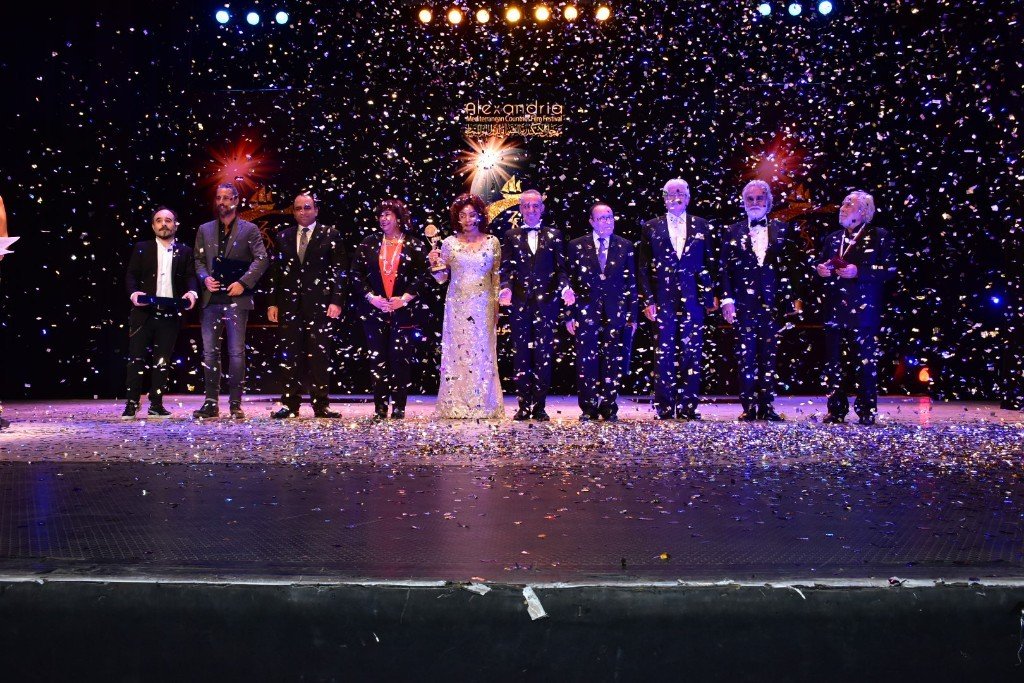
Losing the Street: How Centralized Elitism Severed Public Ties
Failing to scale up to the level of regional luxury is one thing, but Alexandria’s fatal mistake was failing to scale down to its own people. A festival is nothing without its city, and Alexandria’s biggest misstep was isolating itself from the very people who gave it life. If you can’t beat El Gouna at the high-end glamour game, you have to lean into your identity as a beloved civic treasure. Instead, the festival did the exact opposite, choosing a bizarre middle ground that alienated everyone.
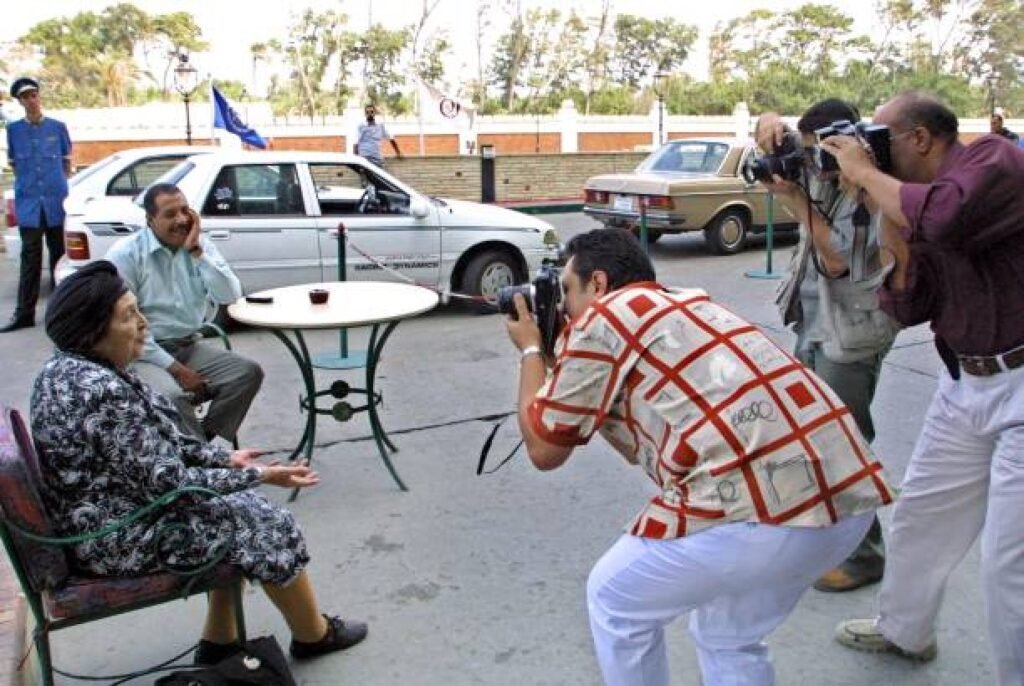
Historically, local Alexandrians packed downtown cinema halls to view the screenings, creating a vibrant, street-level energy. Over time, poor marketing, organizational friction, and a bizarre trend of moving screenings from accessible public theaters to isolated, overpriced, yet mediocre hotels severed the festival’s street-level connection. The event morphed from a vibrant civic celebration into an exclusive, repetitive getaway for the same insular circle of critics and industry insiders. When a heritage festival stops engaging the public and becomes a closed clique, it loses its core purpose.
The Rise of the Lean Indie: How Newer Indie Film Festivals in Egypt Rewrote the Rules
The structural decline of institutional giants stands in sharp contrast to the measurable growth of lean, independent film initiatives across Egypt. Instead of chasing red-carpet glamour, independent platforms prioritize grassroots community building. Platforms like Medfest Egypt are proving that audience engagement and cultural relevance are tied to clear thematic focus and execution, rather than massive state budgets. Founded with a laser-focused identity—the intersection of cinema and human health—Medfest doesn’t try to be everything to everyone.
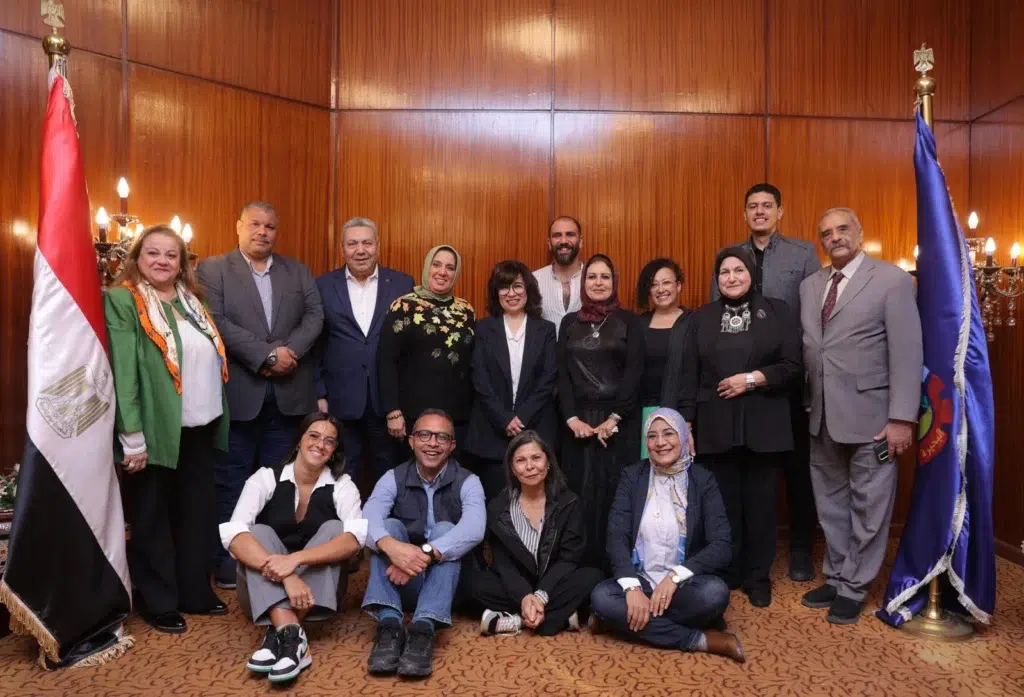
While legacy festivals stayed boxed in luxury urban bubbles, agile indie teams took their screenings on the road, actively touring the Upper Egypt governorates of Minya, Assiut, and Sohag. And it’s not just Medfest Egypt that’s stepping up; there have been several other film festivals, like Manasat and more, that are built with a focus on the love of film and not useless glitz and glam. They run on modern project cycles, optimize every pound through multi-stream funding—combining international cultural grants with corporate partnerships—and treat film as an interactive tool for public debate rather than a static screening.
Modernize or Fade Out: The Path Forward for Heritage Cinema
The regulatory freeze on Alexandria is a loud wake-up call for Egypt’s entire cultural infrastructure. Legacy alone is no longer a blank check for state licensing or public funding. The artistic community is deeply divided; some view the cancellation as a devastating blow to civic history, while others see it as a vital step to halt institutional decay.
Ultimately, saving Egypt’s heritage festivals requires more than just pumping money into old systems. To remain viable alongside agile, independent initiatives, legacy platforms must completely dismantle their outdated administrative models, diversify their funding streams, and return to their original civic mission: bringing meaningful cinema directly to the public.