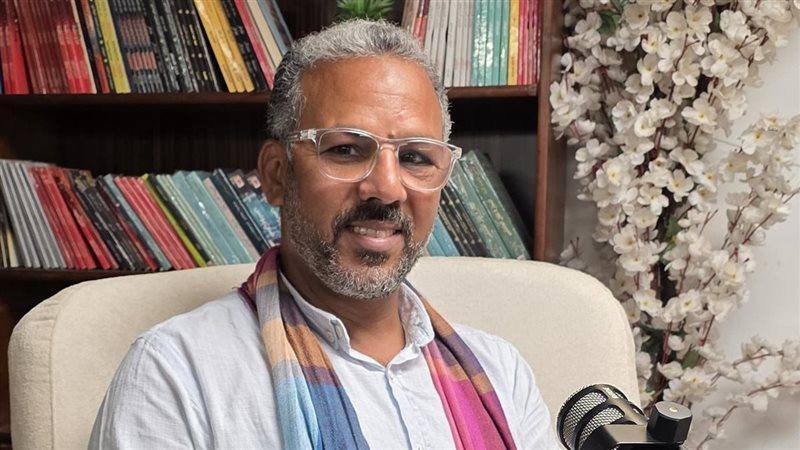
Mohamed Taher, founder of Beit Fatem, faces a detention renewal hearing today over allegations of assault, harassment of four women, and human trafficking. The authorities are still investigating the case No. 1271 of 2026, and the legal counsel is urging other potential victims to come forward.
The Public Prosecution has officially launched an intensive investigation into Mohamed Taher, the founder of the “Beit Fatem” cultural center, following the allegations of indecent assault and human trafficking.
The case was highlighted by the Public Prosecution’s Office for the Protection of Children and Persons with Disabilities after reports surfaced involving the abuse of four women.
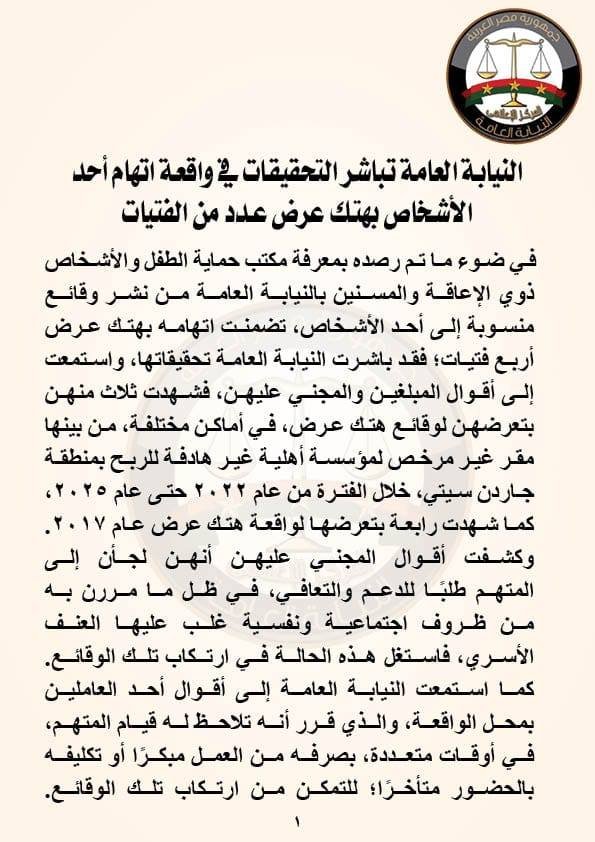
Investigations reveal a disturbing pattern of exploitation at an unlicensed facility in Garden City, where the suspect allegedly targeted victims seeking refuge from domestic violence and psychological distress.
Who is Mohamed Taher?
Mohamed Taher, from Luxor, is a journalist for major outlets and a screenwriter too. He gained widespread fame as a social media influencer and “social content creator,” most notably for his 2016 campaign “#DidYouHugYourDaughterToday?” which advocated for emotional support and physical affection between fathers and daughters.
Leveraging this, he established “Beit Fatem” in Garden City as a physical “safe space” for storytelling and psychological support, specifically targeting estranged women and those suffering from family crises.
Public Prosecution Releases Official Statement
The Public Prosecution has officially launched an intensive investigation, following allegations of indecent assault, harassment of 4 women, and human trafficking. The case was brought to light by the Public Prosecution’s Office for the Protection of Children and Persons with Disabilities after reports surfaced involving the abuse of four women.
Investigations revealed a pattern of exploitation at his Beit Fatem, which is unlicensed, where the suspect allegedly targeted victims seeking refuge from domestic violence and psychological distress.
The investigation revealed that Taher allegedly used this sanctuary as a front for predation. According to the Public Prosecution, victims turned to him for recovery from domestic trauma, only for him to exploit their vulnerability.
Three victims testified to assaults occurring between 2022 and 2025, while a fourth reported an incident dating back to 2017. An employee at the center confirmed these claims, stating that Taher frequently manipulated work schedules, dismissing staff early or requesting they arrive late, to ensure he was alone with the victims.
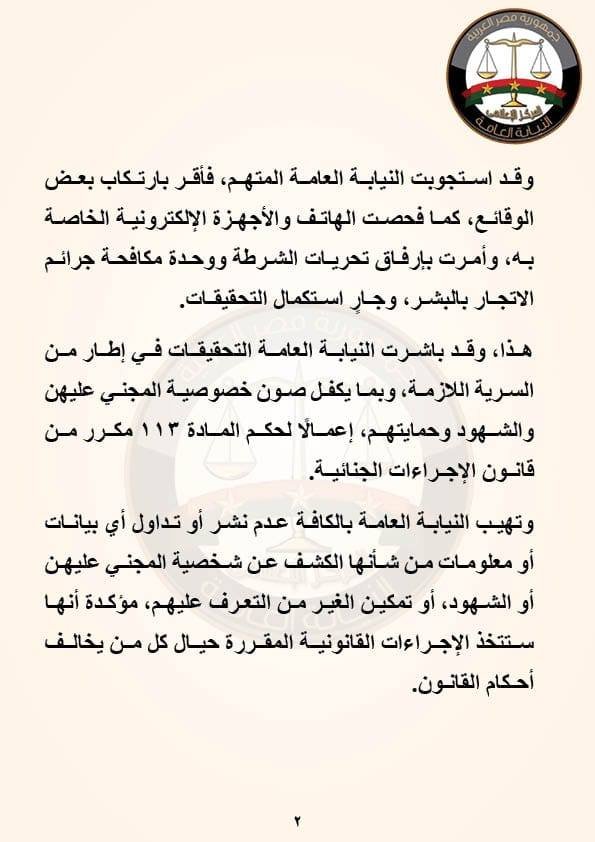
During interrogation, the accused reportedly confessed to committing some of these acts. Consequently, authorities seized his electronic devices and integrated reports from the Anti-Human Trafficking Crimes Unit into the case.
The “Beit Fatem” scandal is a chilling reminder of how easily predatory behavior can hide behind the mask of social support and cultural enlightenment. This case highlights a concerning loophole that allows unlicensed entities and NGOs to operate without oversight, enabling individuals to exploit the desperate need for healing as a means of control.
It is a wake-up call that “safe spaces” require rigorous accountability to ensure that those seeking refuge aren’t delivered directly into the hands of an abuser.
In light of these developments, the Public Prosecution continues its investigation into Case No. 1271 of 2026, ensuring total confidentiality and legal protection for all survivors, they have emphasized its commitment to total confidentiality, protecting the survivors and witnesses in accordance with Article 113 bis of the Criminal Procedure Code.
While Taher initially denied all accusations on social media, dismissing them as a “defamation campaign,” the Ministry of Social Solidarity has formed an urgent committee to audit his activities. Authorities have issued a stern warning against the publication of any data that could reveal the identities of the victims, affirming that legal action will be taken against anyone who violates these privacy laws.