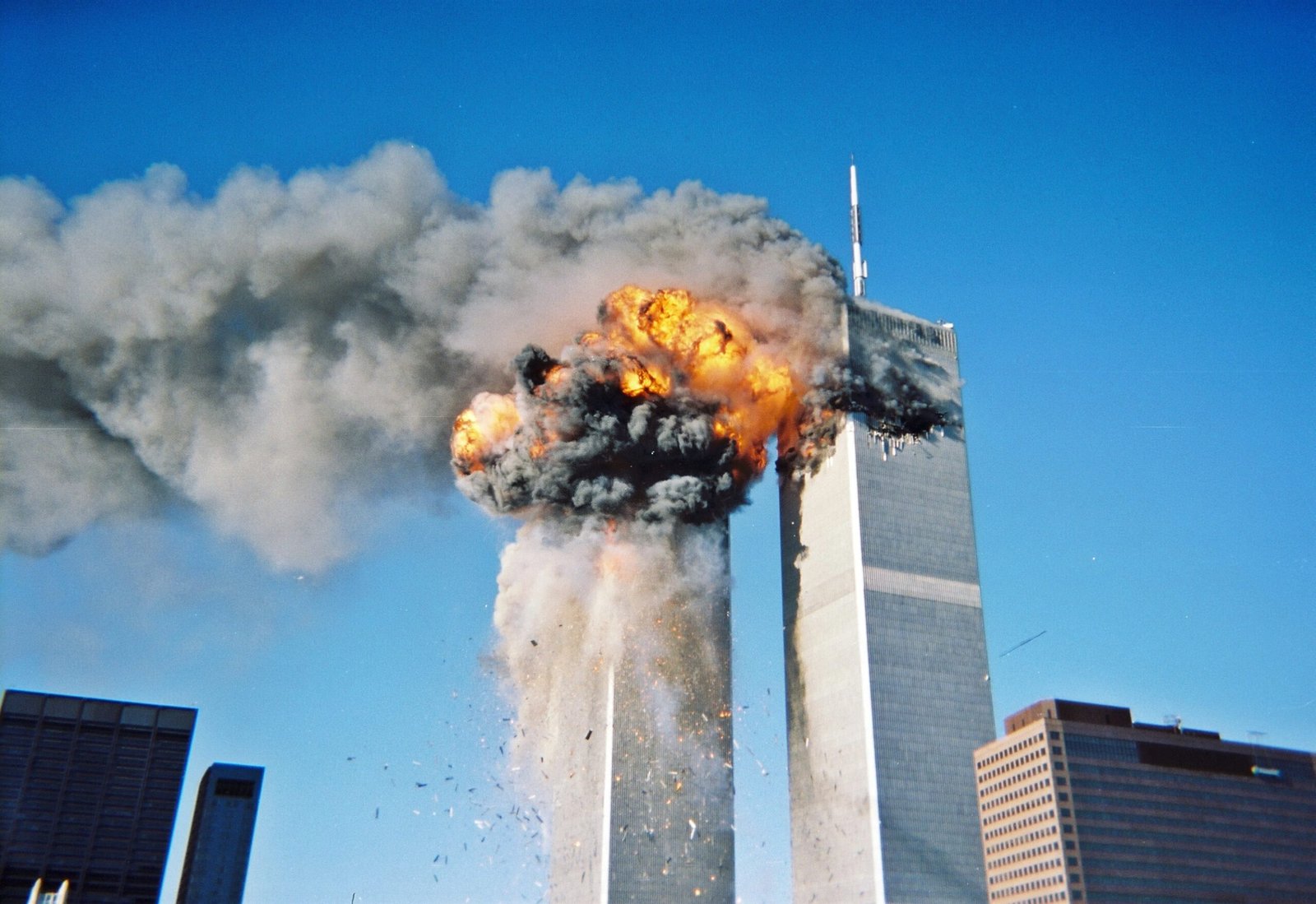
I remember being a child, about to go out and buy school supplies for the new year. Just before we left the house, my grandmother called us, saying an accident had happened at the World Trade Center, a plane had crashed.
I recall that we thought it was tragic, and we moved on with our day. As soon as we reached the shop, we saw on the TV that another plane had hit.
It wasn’t an accident.
My Mother’s Panic
I remember my hijab-wearing mother panicking. I understood this was a tragic situation, and it was a terrorist attack, but I didn’t grasp the situation. She did.
We were in Egypt when the attack happened, but we traveled a lot when I was younger. I was shocked to hear people cheering next to me when they saw what happened.
All I thought was that those were innocent civilians, the thousands at the tower, and hundreds on the planes. How can we possibly be happy for their deaths?
Wrestling With Death and Hate
I was a child. I didn’t understand political statements. I still struggle with most.
Just yesterday, Charlie Kirk was killed. The video was horrible—traumatizing even. I have so much hate for this man, and I believe his beliefs killed way more valuable souls than his, but at the moment of seeing a young man die, it haunts you. Then the pictures of his young children who won’t have a father.
I still struggle with celebrating someone’s death, yet everyone around me does.
The World Changed Overnight
I’ve never seen this happen before 9/11, and most people I know haven’t. This was a life-changing moment. Life as we know it changed.
Politics took over; no one stood on the sidelines anymore.
And more hate for Muslims and Arabs.
Many people up and left their lives in the West because it became dangerous to be Arab. And I later understood my mother’s panic and why she held her hijab, even though she was in Egypt at the time.
The Numbers Tell the Story
If you want to know facts, the number of anti-Muslim and anti-Arab hate crimes in the U.S. jumped from 28 in 2000 to 481 in 2001, a seventeen-fold increase.
The violence included murder, assaults, arson, threats, and vandalism of mosques or businesses. People visibly identified as Muslim, such as women wearing hijab, were especially vulnerable to harassment and attacks. This is why my mother held her hijab when the second plane hit. She knew.
Over 1,200 Arab and Muslim individuals were detained in the weeks after 9/11, most on minor or immigration charges, and new federal rules allowed indefinite detention of non-citizens, disproportionately targeting Arabs.
Many Arab and Muslim Americans reported isolation, stopped participating in community events, or even left the country out of fear.
Some victims were not Arab but were perceived as such based on appearance or clothing (e.g., Sikhs, South Asians) and suffered similar violence.
Becoming “The Terrorist”
I remember being spat on by an Indian friend of mine because we, Arabs, ruined life for them. Turned out her Sikh father was beaten up in the street because they thought he was Muslim. I kept apologizing, and I felt guilty.
I wasn’t even in New York, let alone the U.S. I was in Europe, far from what happened. My friends who knew me distrusted me. I was called a terrorist.
I was a child who had nothing to do with this, but I was made to feel like it was my fault.
Other Muslims around me faced much worse.
To a certain extent, I could understand how their hatred grew, especially among the boys who were a few years older. They celebrated the deaths and said they deserved it because of the hate they have because of how corrupt their governments are.
But still, all I could think of was the innocent civilians, who are, in a way, just like us—getting the short end of the stick just because their governments suck, basically.
Prejudice That Lingers
Surveys conducted in the years after 9/11 showed a stark rise in prejudice, with 39% of Americans admitting to harboring at least some prejudice against Muslims, and a similar percentage supporting registration or special IDs for U.S. Muslims, including Arab Americans.
Even years later, negative perceptions persist: 62% of Muslims report experiencing hostility related to their faith or ethnicity, with 65% feeling generally disrespected by others. FBI and academic studies note that hate crimes, suspicion, and stigma toward Arabs and Muslims have remained well above pre-9/11 levels for decades.
They’re only told Arabs are terrorists. We’re only told that the West is corrupt. The reality is, some Arabs are terrorists, but that doesn’t mean we’re all like that. And it’s the other way around.
And among the Fights, We Forget the Heroes
With all of that said, we should remember and highlight the selfless side of humanity that happened during 9/11.
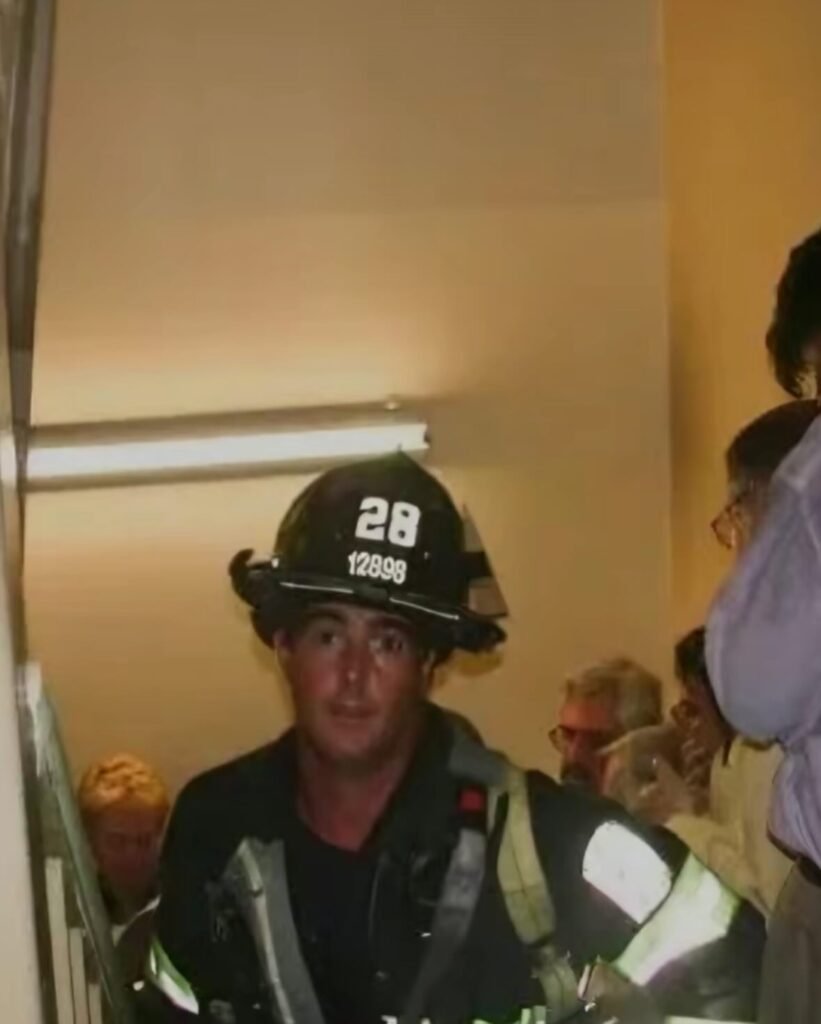
More than 400 first responders—firefighters, police, and emergency workers—lost their lives while saving others at the World Trade Center, many running into the towers without hesitation and making the ultimate sacrifice for strangers.
Ordinary citizens turned heroes.
William Rodriguez, a WTC maintenance worker with keys to emergency exits, helped lead firefighters up the building, unlocking doors and aiding the evacuation of hundreds before perishing in the collapse.
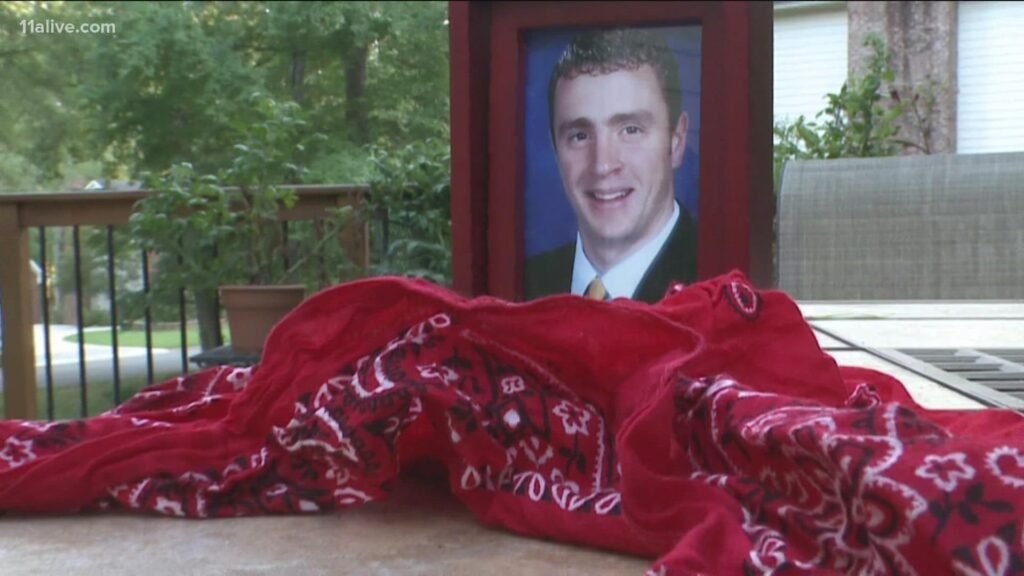
Welles Crowther, an equity trader and volunteer firefighter, donned a red bandana and repeatedly went up and down stairwells to save others, ultimately helping at least 18 people to safety. He didn’t make it.
Even those who were not directly affected by the event, when dozens of international flights were diverted after U.S. airspace closed, the small town of Gander, Canada, sheltered nearly 7,000 stranded travelers for days—residents provided food, beds, medical care, and friendship until the travelers could return home.
The Forgotten Muslims Among the Victims
However, one story in particular needs to be highlighted.
Mohammed Salman Hamdani, a 23-year-old Pakistani-born paramedic, police cadet, and part-time researcher at Rockefeller University, rushed to the scene after the first plane hit. He was off duty, but he ran toward the towers to help. He never came back.
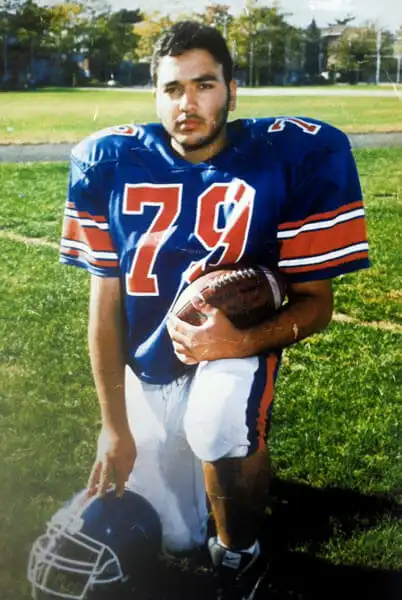
He was a hero, yet for weeks, his name was dragged through suspicion.
Because of his background and Muslim identity, some speculated he might have been involved with the attackers.
His loyalty was questioned before his heroism was recognized.
Only later, when his remains were found in the rubble near his medical bag, was the truth undeniable—he died trying to save others.
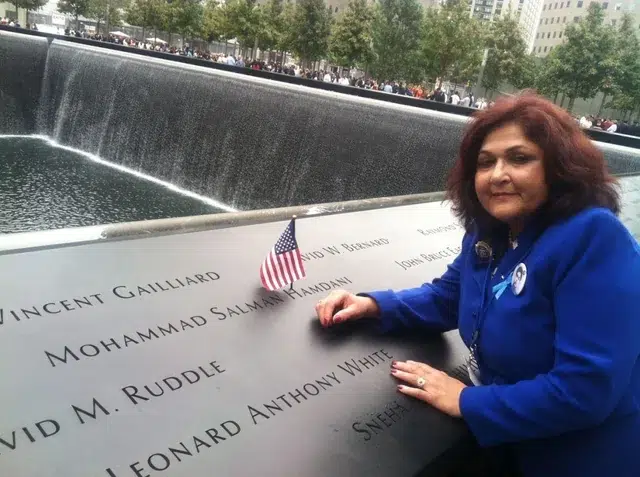
He was posthumously honored as a hero in the USA PATRIOT Act itself, mentioned by name in its preamble. Yet the fact that his sacrifice had to be proved before being acknowledged says everything about the climate Muslims lived in after 9/11.
The same could be said for Tariq Amanullah.
Tariq was a respected Muslim community leader and the vice president of Fiduciary Trust International, whose offices were in the South Tower.
He was deeply involved in local Muslim organizations, working to build bridges between communities in New York.
On September 11, he went to work like any other day. After the North Tower was hit, many in his company began to evacuate, but when the second plane struck the South Tower, he was still inside.
He was one of the 97 Fiduciary Trust employees who didn’t make it out.
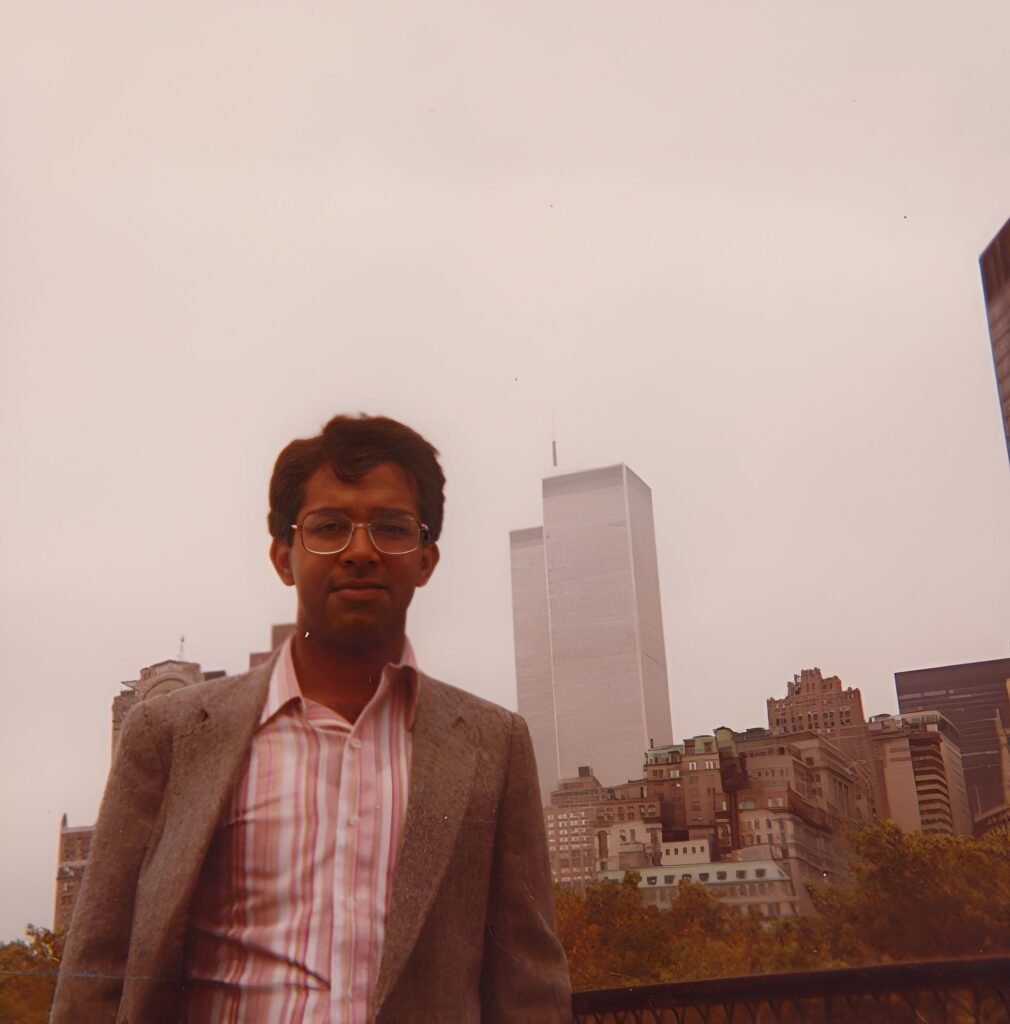
I vividly remember watching the news, and some white woman questioning why he was even there. “What was a Muslim man doing in the World Trade Center?” As if his identity had to be justified. As if his life didn’t belong there.
But Tariq wasn’t an outsider. He was a New Yorker. A father. A professional. A community leader. His death, like Hamdani’s, was not just tragic—it revealed how even in loss, Muslims were treated with suspicion, as though their presence in the towers was somehow illegitimate.
What I Hold Onto
I don’t have a tidy answer for all of this. But here’s what I do know: I remember my mother clutching her hijab in fear. I remember the looks of distrust, the spit, the words “terrorist.” I remember the heroes who ran toward fire, and the Muslims who died too, their presence doubted even in death.
I know many Gen-Zers don’t fully grasp the magnitude of that event. They don’t understand how it impacted our lives, especially Arabs and Muslims living abroad. As we’re seeing more hate and division in the world, I want us to all remember the innocent souls lost.
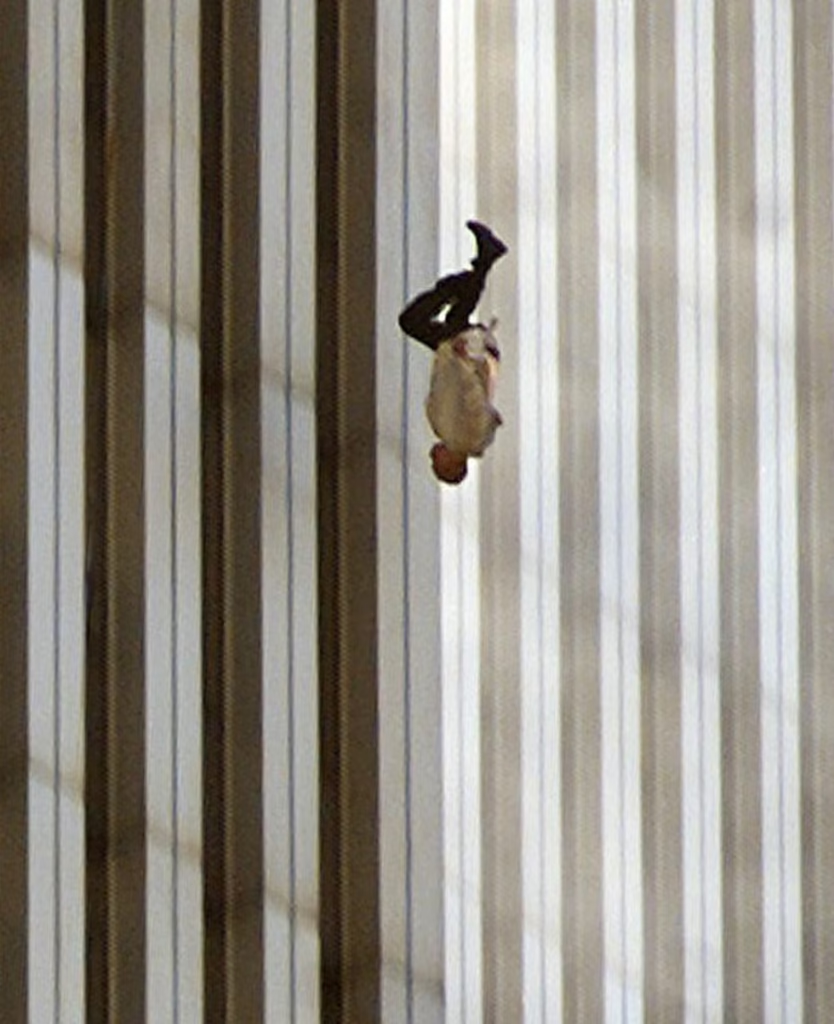
It’s reported that 2,977 lives were lost, from 90 countries. Half the world was impacted by the deaths of someone in this event. If you’ve always celebrated that day, try, for the first time in 24 years, to actually think of the victims. The people are jumping from the windows. The people who chose to die when they could’ve lived to save lives. Think of that for once.