Ramadan in Egypt has always been loud, loud with ads, loud with series, loud with family gatherings, loud with streets that didn’t sleep.
But this loudness used to feel cultural, and now it feels commercial. And the difference between the two is what people are quietly reacting to when they say, “Ramadan isn’t the same anymore.”
This isn’t about missing childhood. It’s about a visible shift in how the month is experienced.
When the Most Spiritual Month Became the Most Commercial
Ramadan has become the biggest marketing season of the year.
Campaign budgets explode. Brand activations start before Shaaban ends. Every company wants a Ramadan anthem. Every product gets a “Ramadan edition.” Consumption peaks during a month that is, at its core, about restraint.
The contradiction feels obvious.
When did the month of fasting become the month of peak spending? And more importantly, does this scale of commercial noise still align with the cultural meaning of Ramadan?
It’s not that Ramadan was never commercial. It always had ads. It always had sponsors. But there was a distinct emotional identity. You could tell when something “felt Ramadan.”
Now, many campaigns feel interchangeable—bigger budgets, heavier production, less cultural memory.
We remember old Ramadan ads years later. How many from the past three seasons can we actually recall?
The Street That Went Quiet
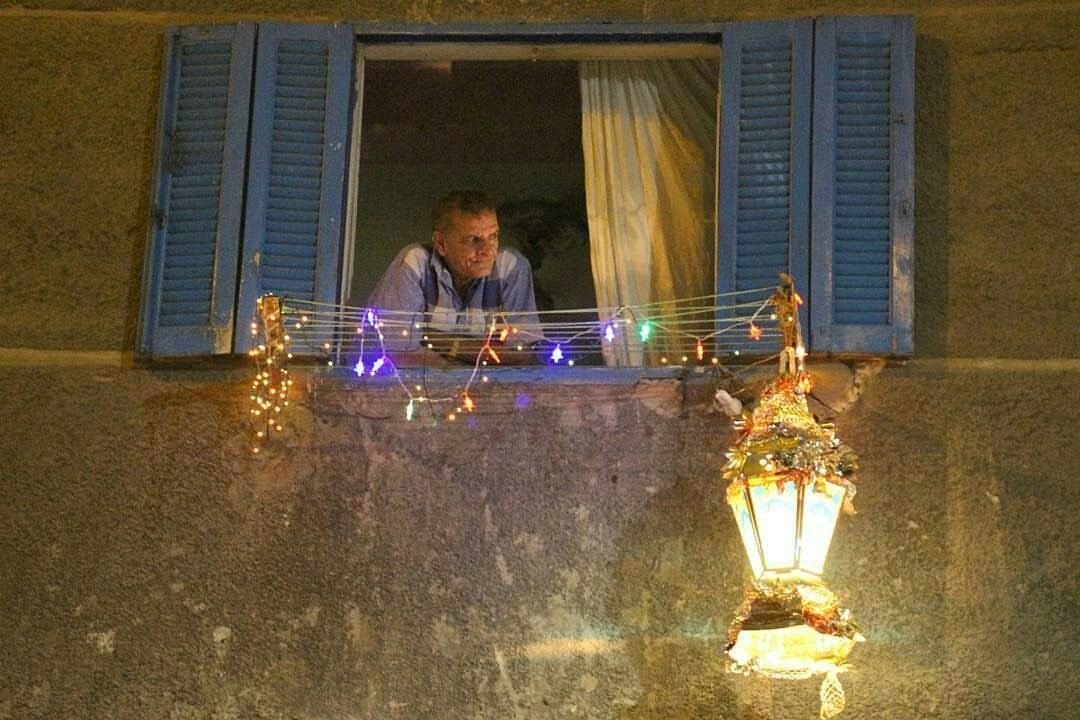
Ramadan used to spill into the street, from decorations, to loud prayers, to the mosaharaty. Remember, there was always a “Ma2edet El Rahman table” in every street where we used to go volunteer. Lanterns hung across alleyways. Kids stayed out late. The month was physically present in public space.
Now, public iftar tables are less visible. Gatherings moved indoors. Ramadan feels more private, more contained.
There are many reasons for that. Urban change. Safety concerns. Economics. But the result is the same: Ramadan feels less collective in public life.
When culture leaves the street, something changes.
Algorithm Ramadan
There was a time when Ramadan storytelling unfolded slowly.
Now, entire episodes are reduced to 30-second clips before you’ve even watched them. Viral moments replace full narratives. Memes circulate faster than plot development.
We no longer wait. We scroll.
The algorithm shapes how we consume the month. It fragments it. It speeds it up. It flattens it.
Ramadan becomes content instead of context.
The End of the Collective TV Moment
There was a time when Ramadan had a schedule.
You broke your fast. You prayed. You sat down. And the entire country watched the same series at the same time.
The next day, school, work, family visits — everyone discussed the same scene. That simultaneity created culture.
Now, series are watched on platforms. On phones. At different times. In isolation. Some binge. Some skip. Some only see highlights through TikTok clips.
It’s not about television versus streaming. It’s about losing the shared rhythm.
Ramadan used to feel like one national living room. Now it feels like individual screens.
From Tents to Photo Ops
Ramadan tents were once about atmosphere. Music. Crowded tables. Laughter that stretched into suhoor. A specific nighttime energy that belonged to the month.
Today, many tents feel curated for aesthetics above all else. Pricing has pushed them into exclusivity. Influencer coverage dominates the narrative. The focus shifts from experience to documentation.
The tent didn’t disappear. But its function shifted.
It’s less about gathering, more about visibility.
The Weight of the Economy
There’s also a reality no one can ignore.
Hosting is expensive. Groceries are heavy. Social outings cost more. Even generosity requires financial capacity.
When economic pressure is constant, celebration shifts.
Ramadan joy feels different when budgeting sits at the table with you.
The Energy Drop
Ramadan once had a slower rhythm. Or at least it felt like it did.
Now work doesn’t ease. Deadlines don’t shift. Traffic doesn’t calm down. Productivity expectations stay the same.
Modern life doesn’t adjust for spiritual rhythm.
And so people feel drained, not just fasting, but running.
Or Are We Just Older?
There’s another possibility.
Maybe Ramadan hasn’t changed as much as we think.
Maybe we were younger. Maybe we didn’t notice the commercial layers before. Maybe every generation believes its version of Ramadan was more authentic.
Culture always evolves. Cities change. Media changes. Consumption changes.
But even if part of this is nostalgia, the feeling is real.
People sense a cultural shift.
Ramadan hasn’t disappeared. Mosques are still full. Families still gather. Charity still rises.
But the identity feels less clear.
And maybe the real question isn’t whether Ramadan lost its spark.
Maybe it’s whether we’re consuming it differently than we’re living it.