


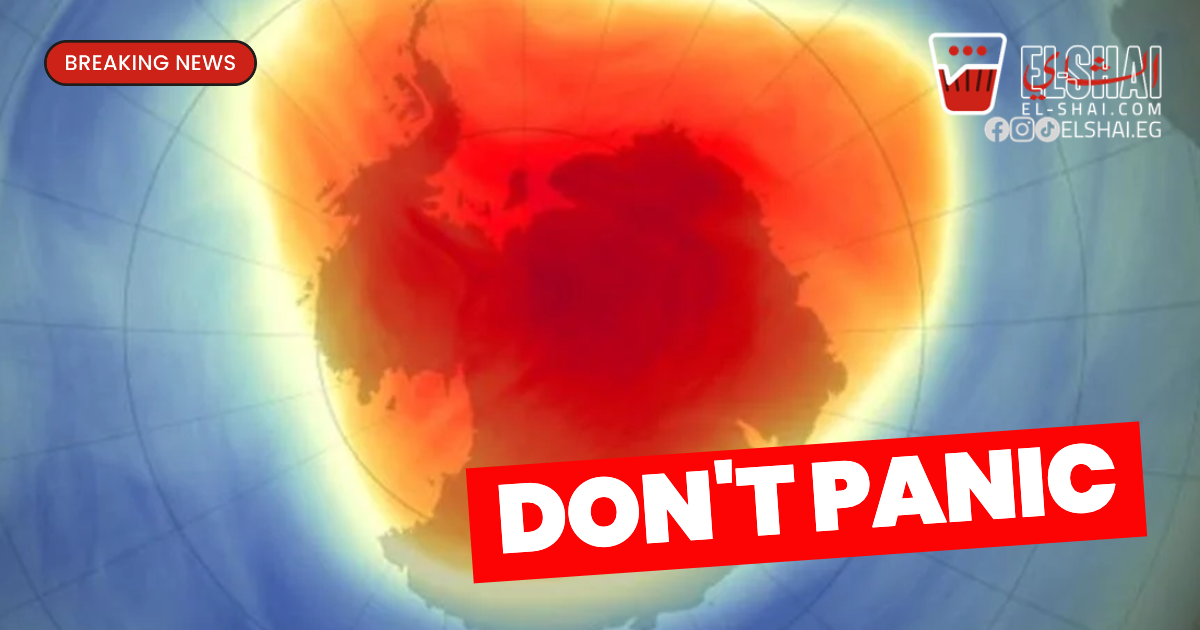
The Antarctic ozone hole 2026 expanded to roughly 27.3 million square kilometers on September 20, marking one of its widest recorded extents in nearly 48 years, according to atmospheric tracking released by the European Space Agency.
Measurements gathered by the Copernicus Sentinel-5P satellite put the gap at 6.5 million square kilometers—or 31 percent—above the 20-year average for that date, extending across a footprint larger than the Antarctic continent itself.
How Cold Winds Spread the Hole Wider
The seasonal hole over Antarctica usually begins opening in August, expands across September, and reaches maximum area between mid-September and mid-October. As spring warms the Southern Hemisphere stratosphere, the polar vortex breaks down, allowing ozone levels to normalize by late December.
In 2026, that seasonal pattern ran up against an unusually stubborn meteorological engine. ESA researchers attributed the expansive footprint to a strong and sustained polar vortex, which trapped cold air over the pole and kept stratospheric temperatures cold enough to accelerate chemical depletion over a broader territory than usual.
The Difference Between Area and Depth
A wider perimeter sounds like an immediate disaster, but atmospheric scientists track two separate indicators: the area the hole covers and how deeply the ozone concentration drops inside it.
Data gathered by the TROPOMI spectrometer aboard Sentinel-5P—which was launched in October 2017 as the Copernicus program’s dedicated atmospheric monitor—showed that the vertical depth of depletion stayed near historic averages. The hole stretched across more sky, but the protective shield did not hollow out to the extreme minimums seen during historic peak depletion years.
What This Means for the Montreal Protocol
When an environmental milestone looks like it is sliding backward, the obvious concern is whether global bans on ozone-depleting substances have stopped working. ESA addressed that question directly: the long-term healing expected under the 1987 Montreal Protocol remains intact.
Year-to-year shifts in weather and upper-atmosphere winds will create larger or smaller seasonal gaps, but the underlying inventory of manufactured chlorine and bromine compounds continues to drop. Future instruments, including Copernicus Sentinel-5 and the upcoming Altius mission, will track vertical gas distribution to ensure that decades of phased-out chemicals translate into full atmospheric recovery over the coming decades.
Read Next.
 News
After Years of Restrictions on Education and Employment, Afghan Women Are Reportedly Being Stripped of Their Names
 News
Egypt’s Dar Al-Ifta Issues Fatwa Banning Recording Accident Victims Instead of Assisting Them
 News