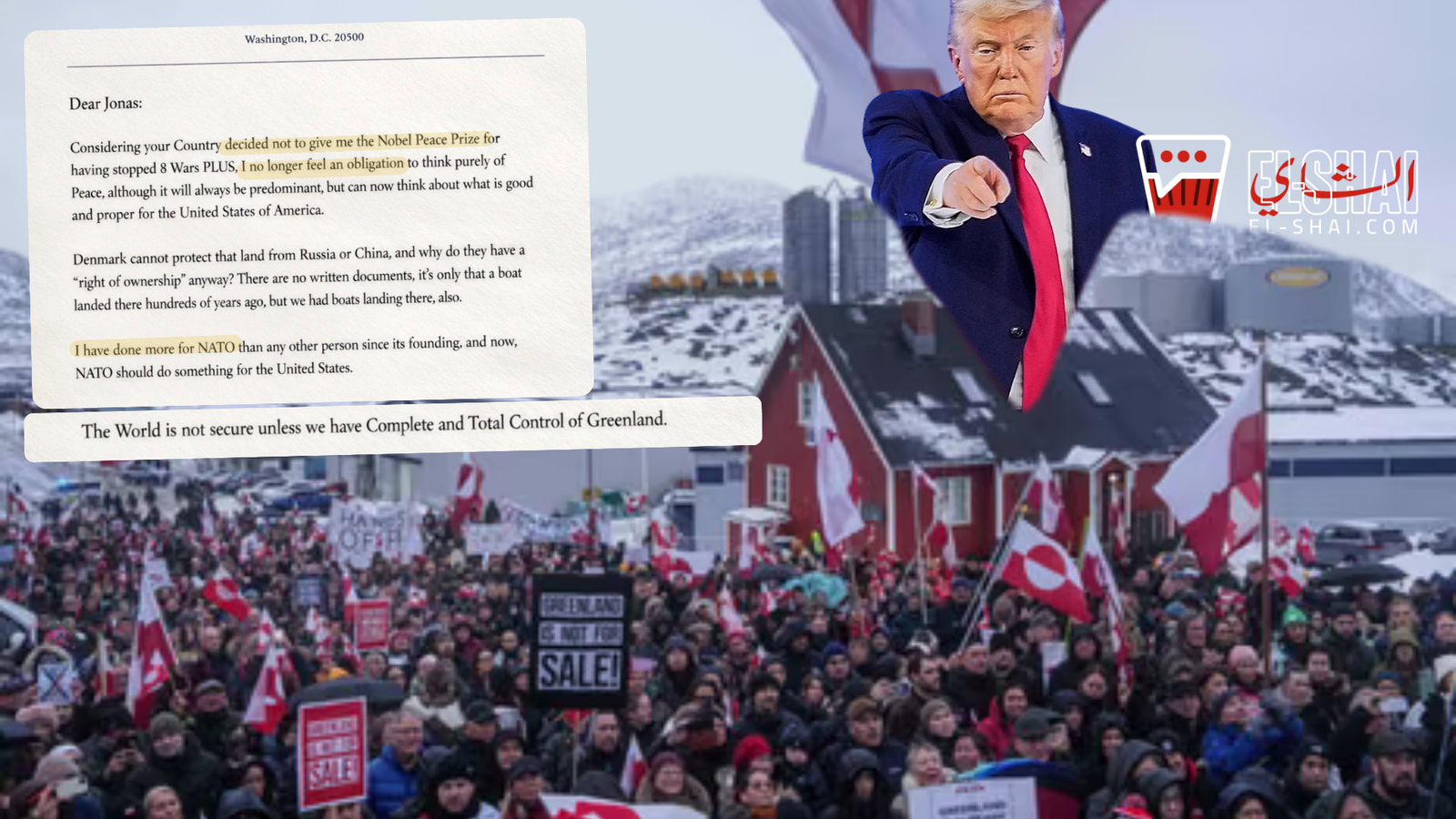
What started as Arctic background noise has turned into a real political standoff. In 2026, Greenland is no longer a distant, frozen territory on the map. It has become a focal point of U.S. ambition, Danish resistance, and global anxiety over power, climate change, and control. From Davos speeches to awkward diplomatic moments, this is how an icy island became a serious geopolitical story.
Greenland, the world’s largest island and an autonomous territory under Danish sovereignty, has re-entered global politics in a loud way. In January 2026, U.S. President Donald Trump brought it back into focus during his appearance at the World Economic Forum in Davos. His comments were not abstract or historical. They framed Greenland as an active strategic priority, triggering diplomatic reactions across Europe and beyond.
What Trump Said in the World Economic Forum
At Davos, Trump described Greenland as critical to U.S. and global security, highlighting its role in the Arctic balance of power. He stressed that Washington prefers negotiation over force, dialing down earlier aggressive language. Still, the signal was clear. The United States now sees Greenland as too strategically valuable to stay neutral about, and that alone reshaped international conversations almost overnight.
The Vague “Framework Agreement” Announcement
Days later, Trump announced a so-called framework agreement involving the U.S. and NATO allies related to Greenland and the Arctic. No details followed. There were no timelines, no defined objectives, and no clarity on Greenland’s role. Denmark denied agreeing to anything related to sovereignty, while Greenlandic officials said they were not formally consulted, turning the announcement into confusion rather than policy.
Denmark and Greenland Push Back
Copenhagen responded quickly, emphasizing that Greenland is not for sale and that any future decisions must respect international law and self-determination. In Nuuk, protests reflected growing frustration. Many Greenlanders felt they were being discussed as a strategic asset rather than a population with political rights. The tension made one thing clear. Any deal that ignores Greenland’s voice is unlikely to survive public pressure.
Greenland’s importance goes far beyond symbolism. Climate change is opening Arctic shipping routes and exposing natural resources once locked beneath the ice. On the military side, the island sits at a strategic crossroads between North America and Europe. Economically and politically, it has become a central piece in Arctic competition, explaining why global powers are suddenly treating it as a priority instead of a peripheral territory.
The Letter That Made Diplomacy Awkward
Trump reportedly sent a letter to Norwegian officials referencing Arctic cooperation and regional security, subtly folding Greenland into the discussion. According to reports, he was also frustrated about not winning the Nobel Peace Prize, a detail that raised eyebrows and sparked debate.
This wasn’t improvisation. It reflected a coordinated push to reshape Arctic politics and expand U.S. influence in the region, even if the messaging, at times, came across as unintentionally comedic rather than carefully calibrated.
Trump Unveils ‘Board of Peace’ at Davos
Adding to the moment, Trump announced the creation of a “Board of Peace” during the Forum, unveiling a new international body intended to address global conflicts. With a reported one billion dollar fee for permanent membership, the initiative was initially linked to Gaza’s reconstruction but appeared broader in scope. While Trump praised it as a breakthrough for global stability, several countries raised concerns about its structure, mandate, and political implications.
Taken together, these developments show that Greenland is no longer just an Arctic island on the edge of global affairs. It has become a pressure point in a rapidly shifting world order, where climate change, security, and power politics are colliding in ways few countries can afford to ignore.