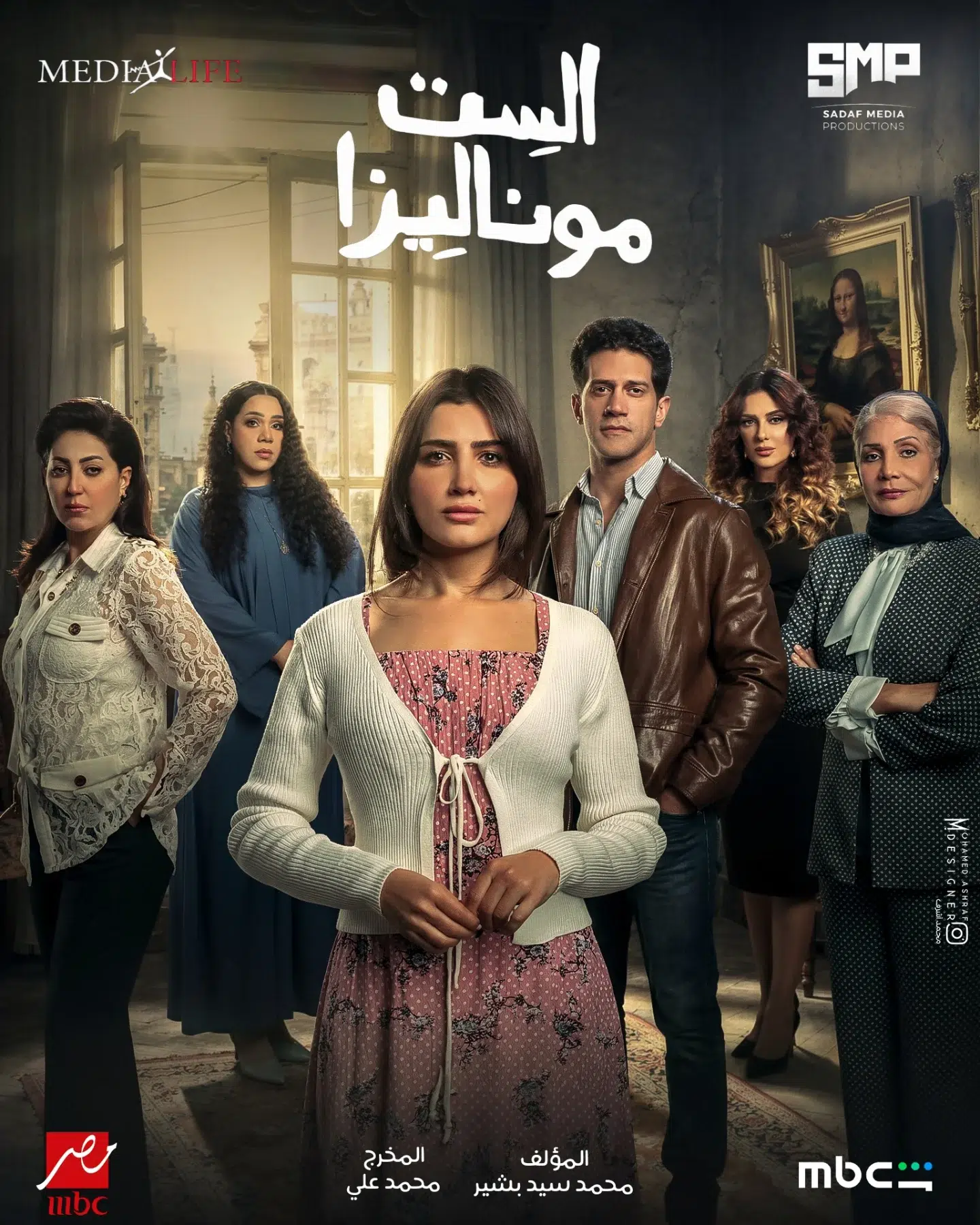
If you stopped watching El Set Monalisa after episode one, no one would blame you. The start is rough. Very rough. It feels disconnected, awkward, and surprisingly weak considering the names involved.
The name El Set Monalisa immediately stands out. It doesn’t sound like a typical Egyptian series title. It feels unusual, slightly foreign, and strangely intriguing. That curiosity alone is enough to pull you in before the story even begins.
But if we’re judging by the first episode alone, things don’t look promising.
Episode One: A Rough Start
The first episode feels messy. The acting comes off stiff, and the dialogue sounds more recited than lived. There’s an awkward rhythm to the scenes that makes you question whether the series missed the mark entirely.
What makes it more surprising is seeing actors like Ahmed Magdy and Sawsan Badr in scenes that don’t quite land. When expectations are high, any weakness becomes more noticeable.
At that point, the verdict feels like this isn’t working.
Until episode two…Even the bad acting will start to make sense!
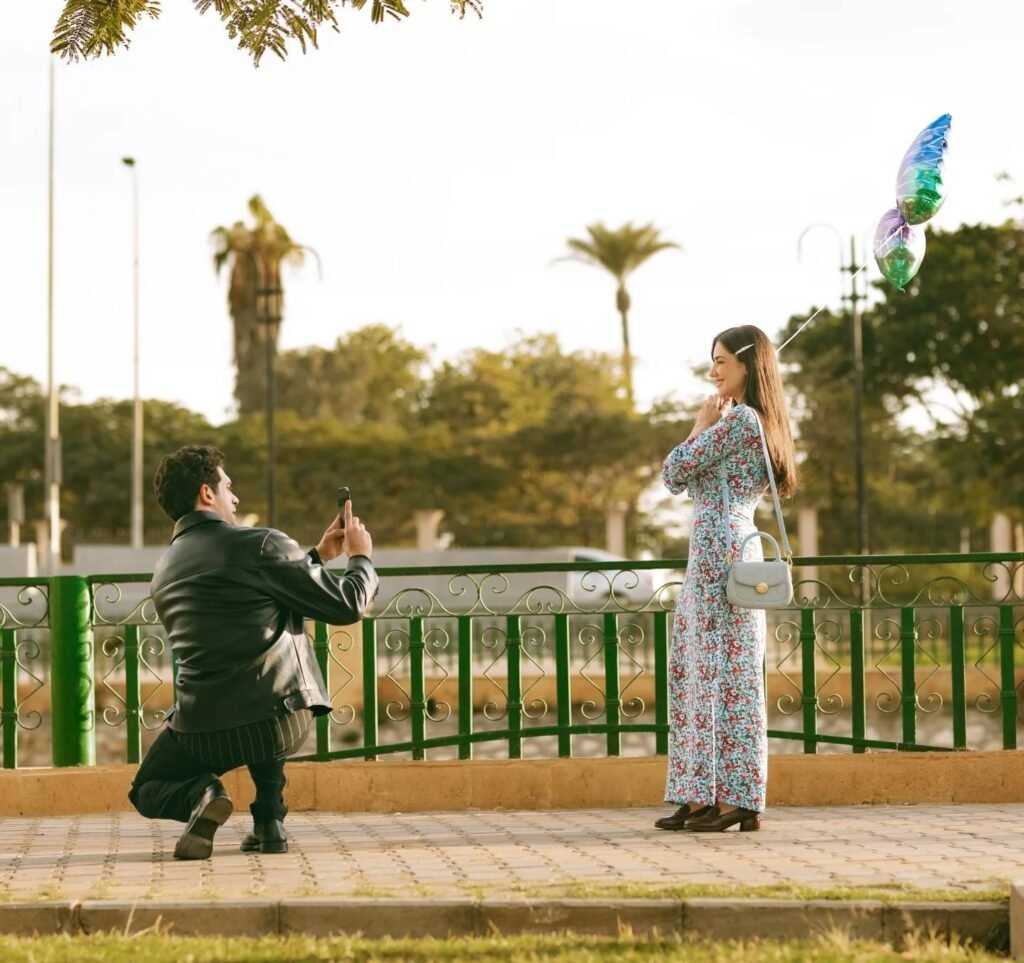
The Shift: Context Changes Everything
By the second episode, the tone begins to settle. What first felt like weak performances starts to feel more intentional. The characters gain clarity. The pacing improves. Suddenly, the awkwardness seems less accidental and more like part of the setup.
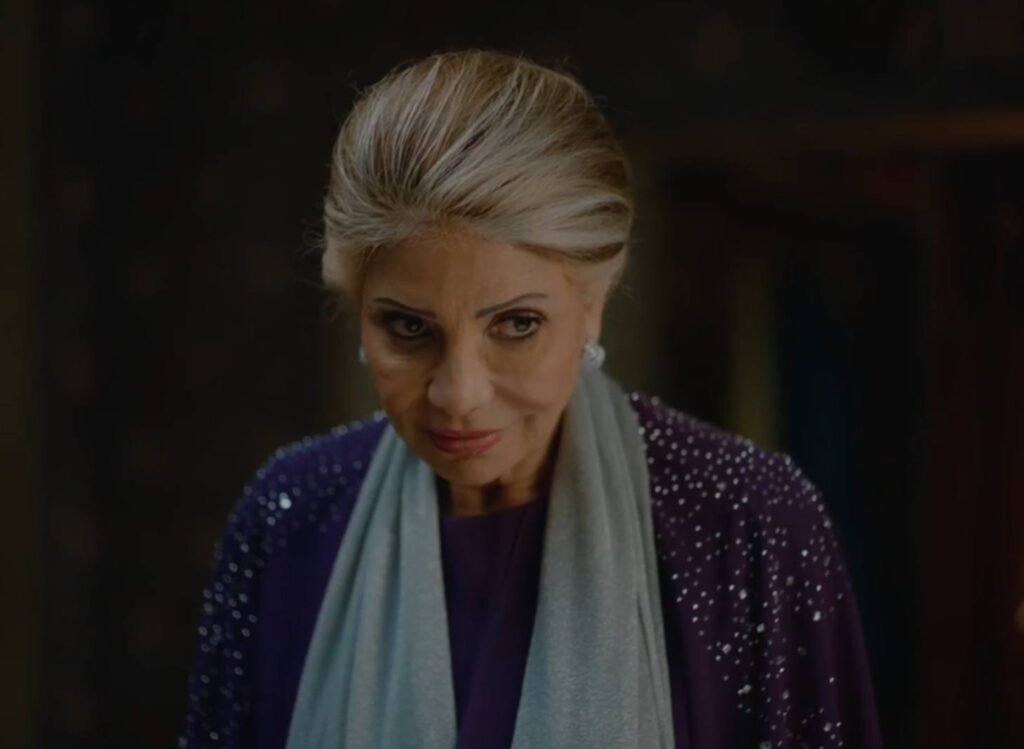
Sawsan Badr, in particular, shifts from uncertain to captivating. She embodies the “soft villain” — calm, controlled, never raising her voice without purpose. She rarely does anything overtly wrong, yet you feel the threat in every sentence. It’s a precise, layered performance that becomes one of the show’s strongest elements.
That’s when you begin to reconsider the first episode. Maybe it wasn’t a failure. Maybe it was groundwork.
Engy El Mokkadem Steps Outside the Box

Engy El Mokkadem takes on a role that breaks away from what audiences are used to seeing her in. That kind of shift is never easy. When viewers associate you with specific character types, stepping into new territory comes with risk.
Here, she handles it confidently. The performance doesn’t feel forced or experimental for the sake of it. It feels deliberate. She leans into the unfamiliar and largely makes it work.
Mai Omar and the Monalisa Effect
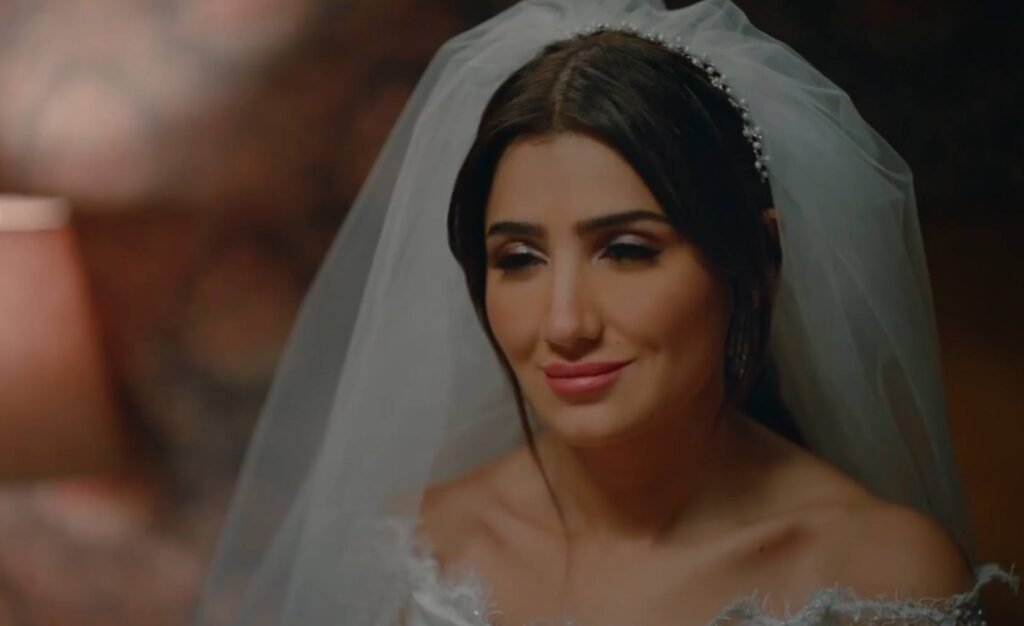
Mai Omar’s performance is likely to divide opinions. Her expressions remain steady across many emotional moments. Her reactions are subtle — sometimes so subtle they risk feeling repetitive.
But when you connect it to the title, Monalisa, it adds another layer. The mysterious, unreadable smile. The emotional restraint. The sense that something is being hidden behind a composed exterior.
If that choice is intentional, it’s conceptually smart. If it isn’t, it may come across as emotionally flat.
For now, the ambiguity works in the series’ favor. The real test will be whether her character evolves beyond that fixed expression.
Mahmoud Azab: The Silent Scene-Stealer
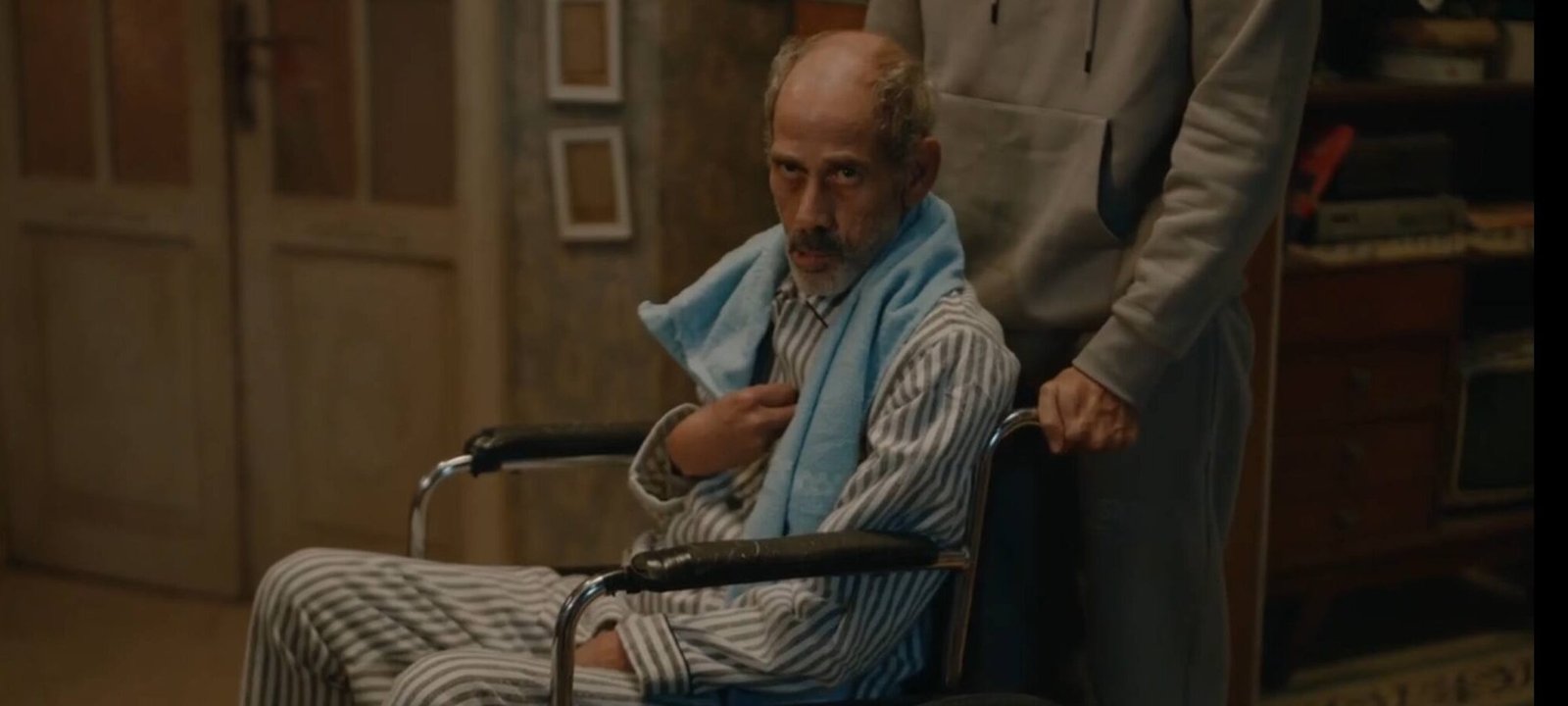
The biggest surprise is Mahmoud Azab.
He barely speaks, yet he doesn’t need to. His performance is carried through his eyes and physical presence. There’s intensity without exaggeration. It’s a quiet kind of acting that commands attention without dialogue.
It almost feels like he deserves more screen time, because there’s clear, untapped potential there.
So, Is It Worth Watching?
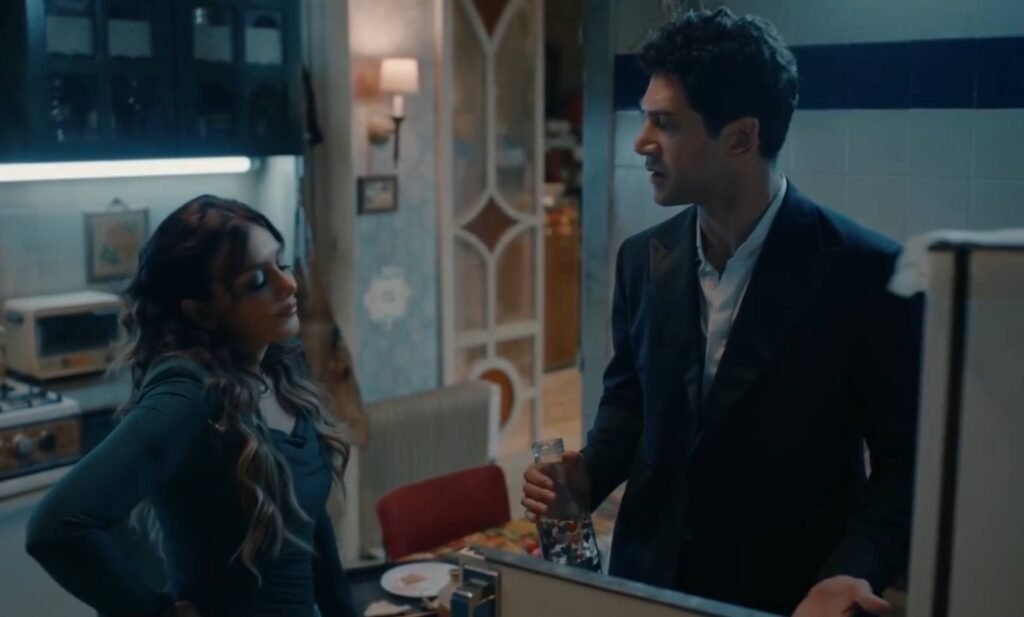
El Set Monalisa doesn’t make a strong first impression. It almost loses you in its opening hour. But once it finds its footing, it becomes surprisingly engaging.
It’s not flawless. Some scenes still feel uneven. But it holds your curiosity — and sometimes that’s enough.
For a series that begins on unstable ground, its ability to recover may end up being its strongest point.