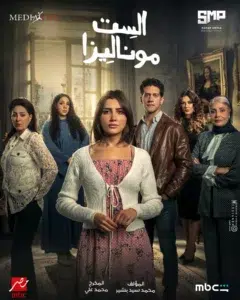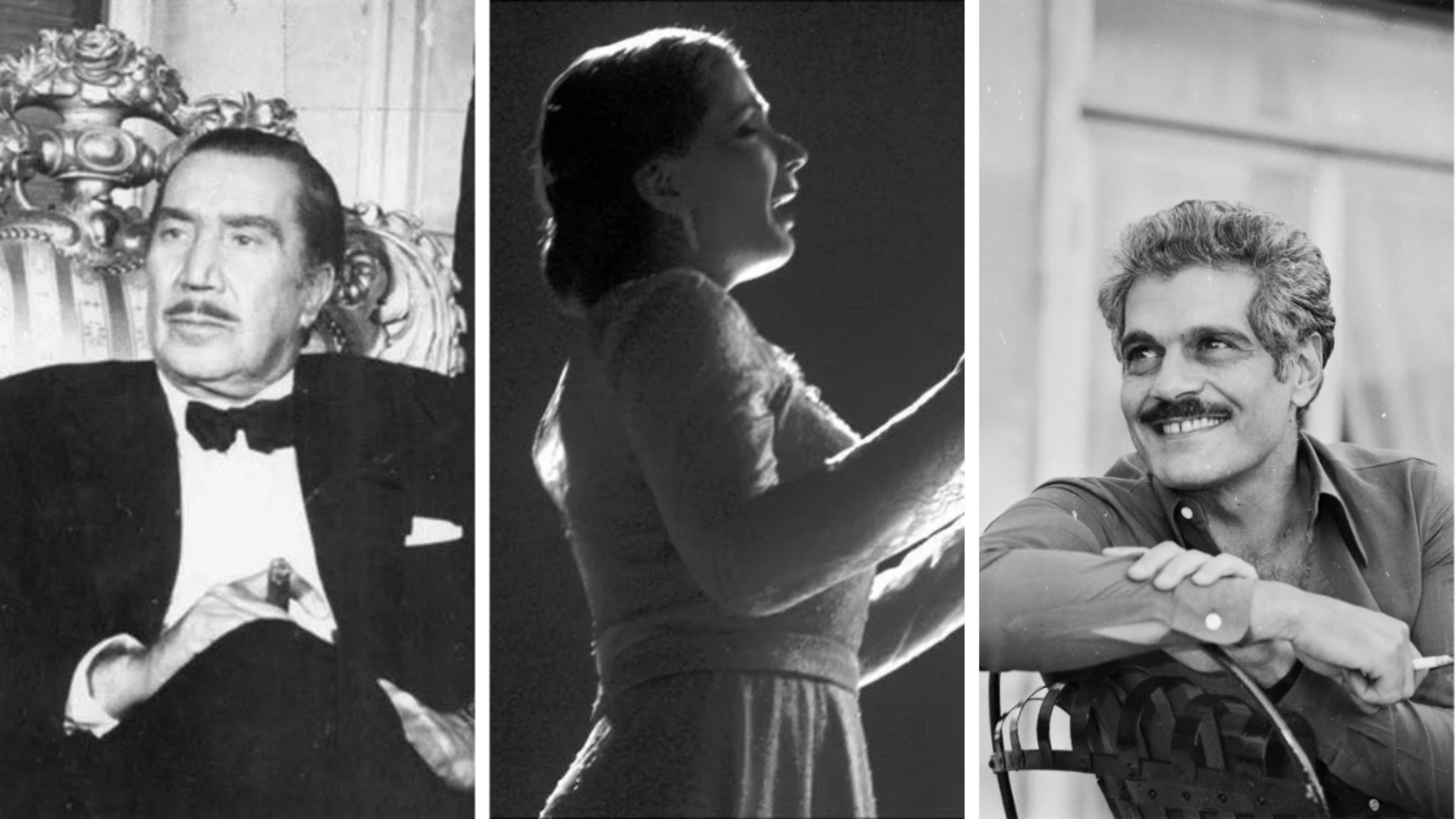
With Marwan Hamed’s ‘El-Sett’ drawing attention as the definitive Umm Kulthum biopic, audiences are excited about which iconic Egyptian lives could be adapted next. The Mona Zaki-led film’s success has reignited interest in biopics, a genre rarely seen in Egyptian cinema.
A number of actors have already expressed interest in portraying real-life figures, such as Elham Safie El-Deen, who’d like to play Faten Hamama, Youssef Gabriel, who’d like to star as Mohamed Abdelwahab, and Ahmed El-Sakka, whose desire to play Khaled Ebn Al-Waleed has sparked controversy lately, so more biopics are definitely not off the table.
But which stories are the most attractive and deserving to be highlighted today? Let’s dive into what we think would make compelling biopics.
1- Hekmat Fahmy
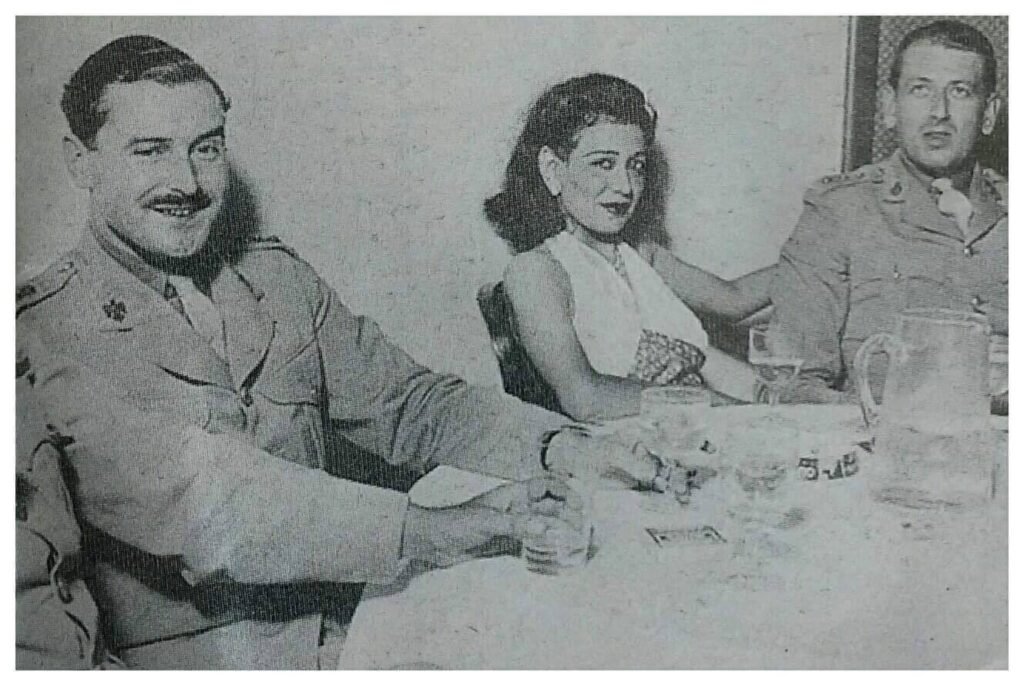
The Damietta-born actress and belly dancer worked as a Nazi spy in World War II, recruited by German officer Johannes Eppler (posing as Egyptian student Hussein Jaafar) to fall in love with him. She was later arrested by British authorities and sentenced to five years.
A Hekmat Fahmy biopic could be a political thriller, not just a rise-and-fall tale. Nadia El-Gendy played her in ‘El Gasoosa Hekmat Fahmy’ (1994), but a modern, uncensored version would be compelling.
2- Omar Sharif
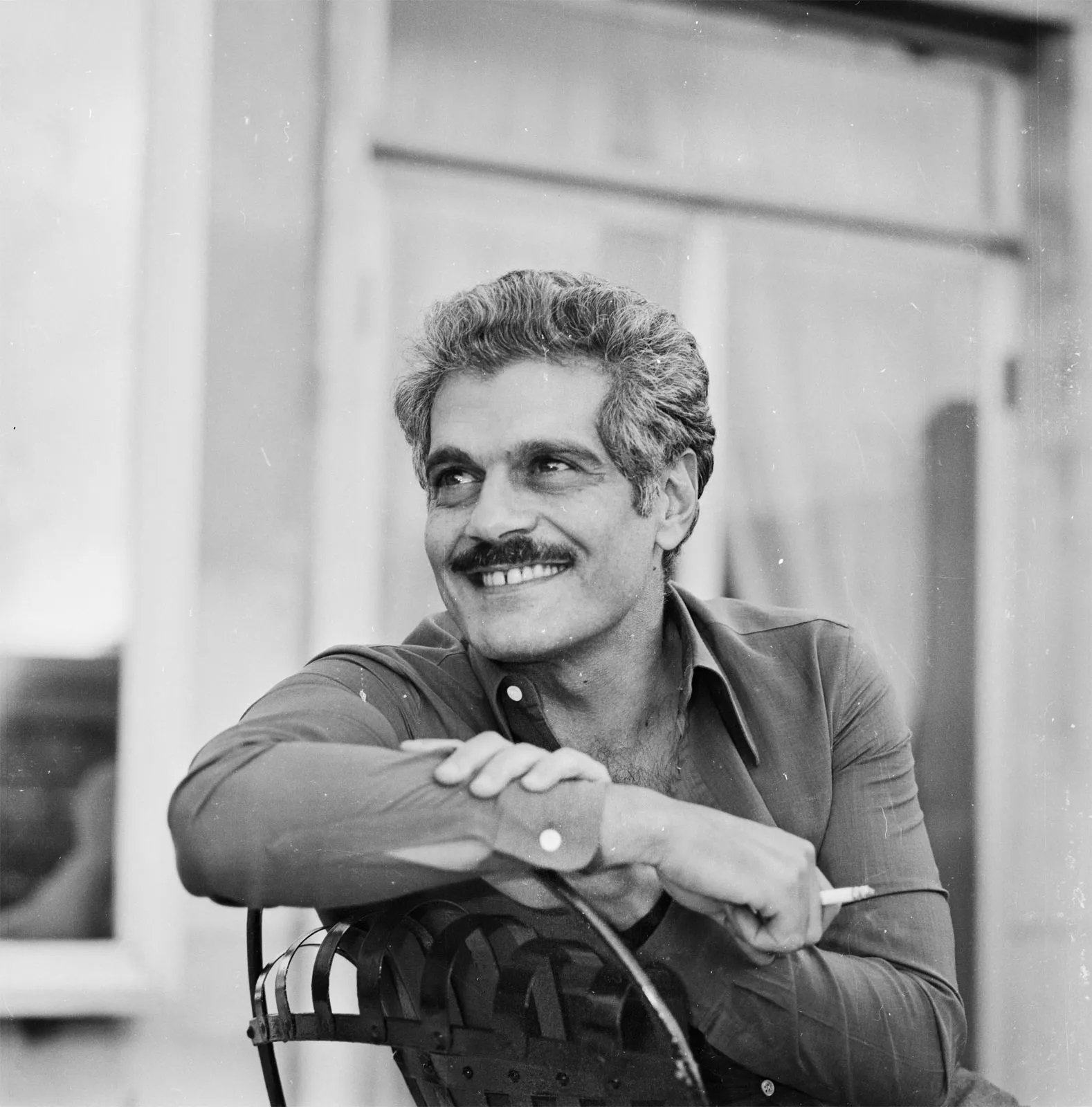
From rags to riches, a romance with Faten Hamama, and eventual Hollywood stardom, Omar Sharif’s life is perfect for a biopic. His journey to Tinseltown via Lawrence of Arabia (1962) could explore themes of cultural immigration, identity navigation, and representation.
Screenwriter Haitham Dabour has already started working on a TV adaptation of the star’s own diaries, after gaining the blessings of Tarek Omar Sharif.
3- Asmahan
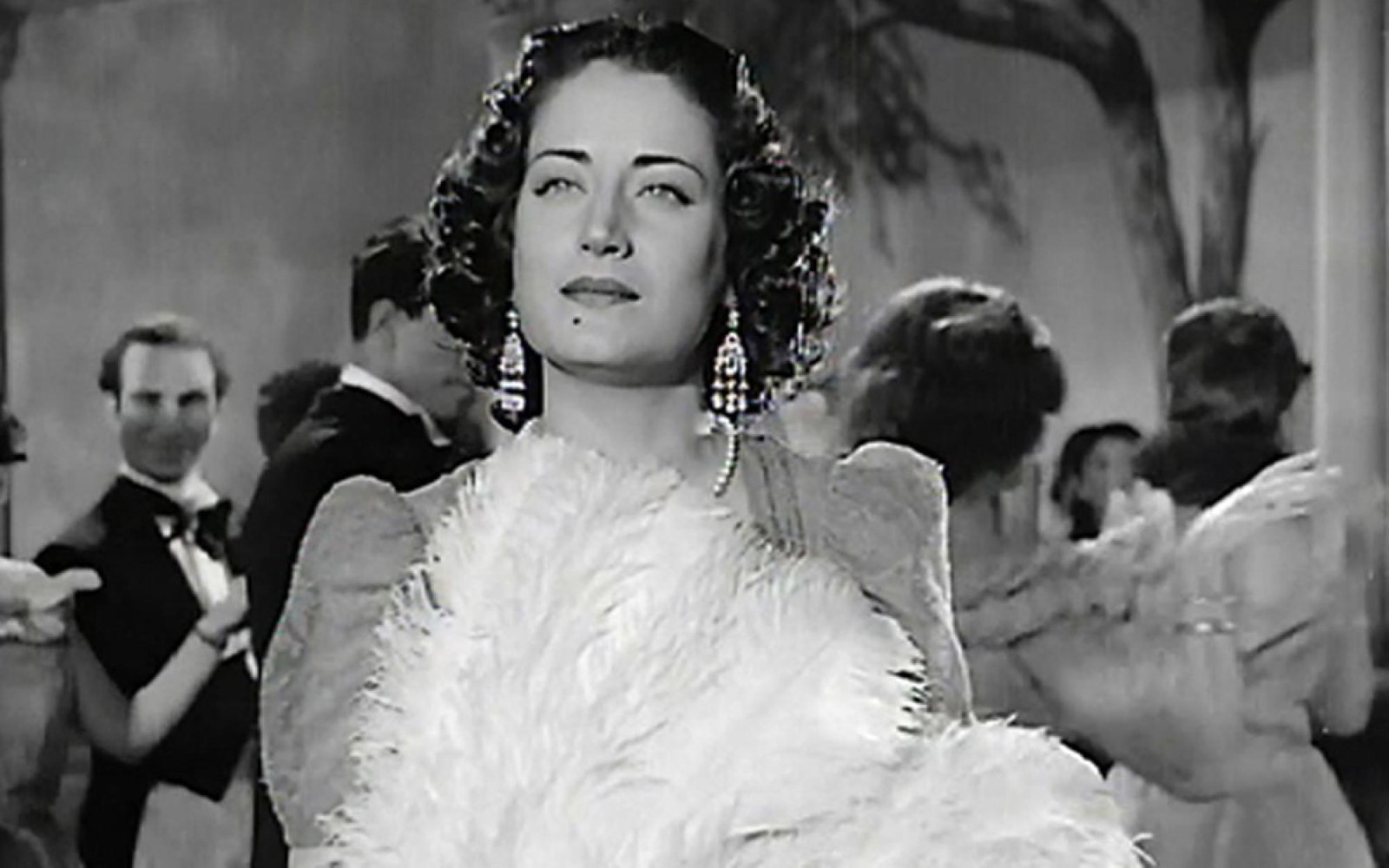
Sulaf Fawakharji portrayed Asmahan on TV, but her story hasn’t reached the big screen. Born to a princely Druze family fleeing Syria’s French occupation, Asmahan rose in Egypt with her operatic voice.
Her life included rumored affairs with politicians and espionage allegations. She died at 27 in a mysterious car accident—her car plunged into a canal, and the driver vanished—spurring conspiracy theories of assassination.
4- Omar Khorshid
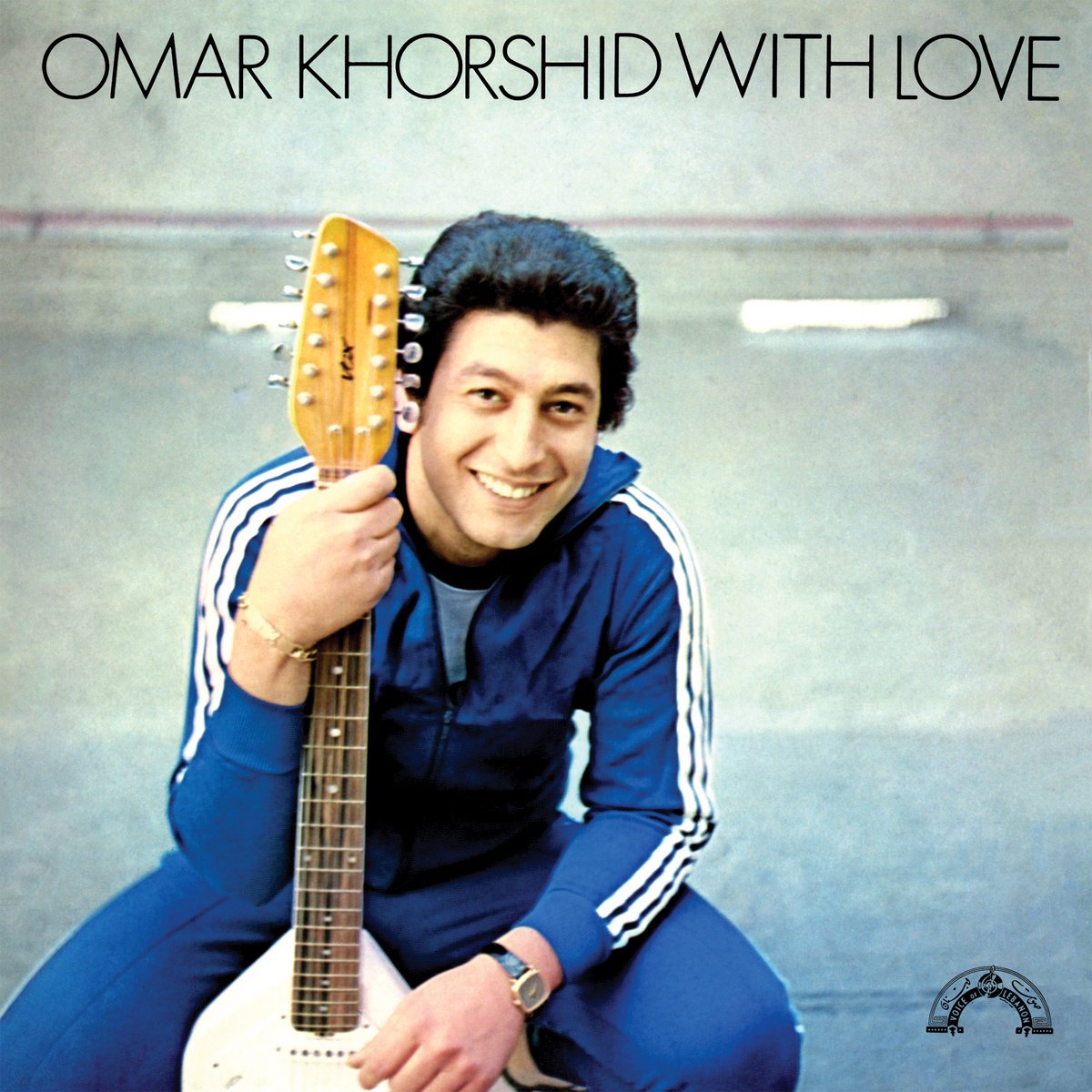
The Egyptian guitarist and actor revolutionized Arabic music with the electric guitar, blending Western rock and Oriental melodies. He played with Umm Kulthum and Abdel Halim Hafez, composed film scores while starring in movies himself. His explosive career sadly ended when tragedy struck in 1981, and he died at age 36 in a motorcycle accident at 36 near the Pyramids.
5- Doria Shafiq
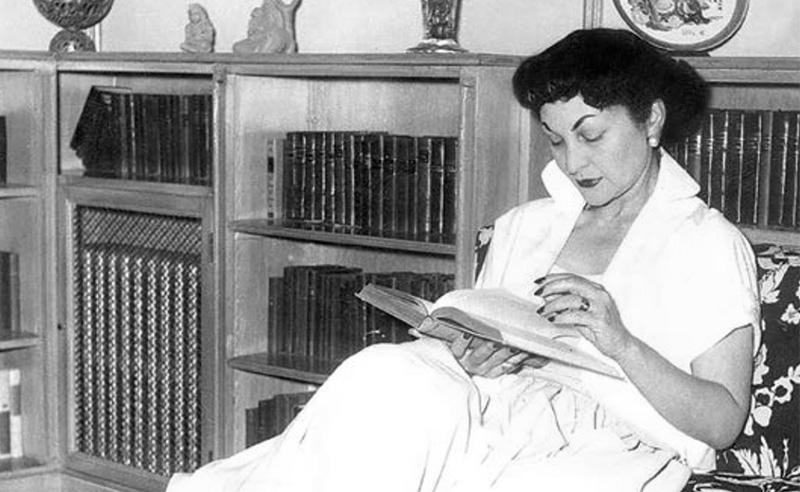
Doria Shafiq, a pioneering Egyptian feminist, poet, and activist, led Egypt’s women’s liberation movement. She stormed parliament for voting rights, ran magazines, and challenged authority in the 1940s–50s, helping women win the vote in 1956.
Though erased under Nasser, her story of courage, tragedy, and suicide highlights enduring gender struggle and repression.
6- Ahmed Urabi
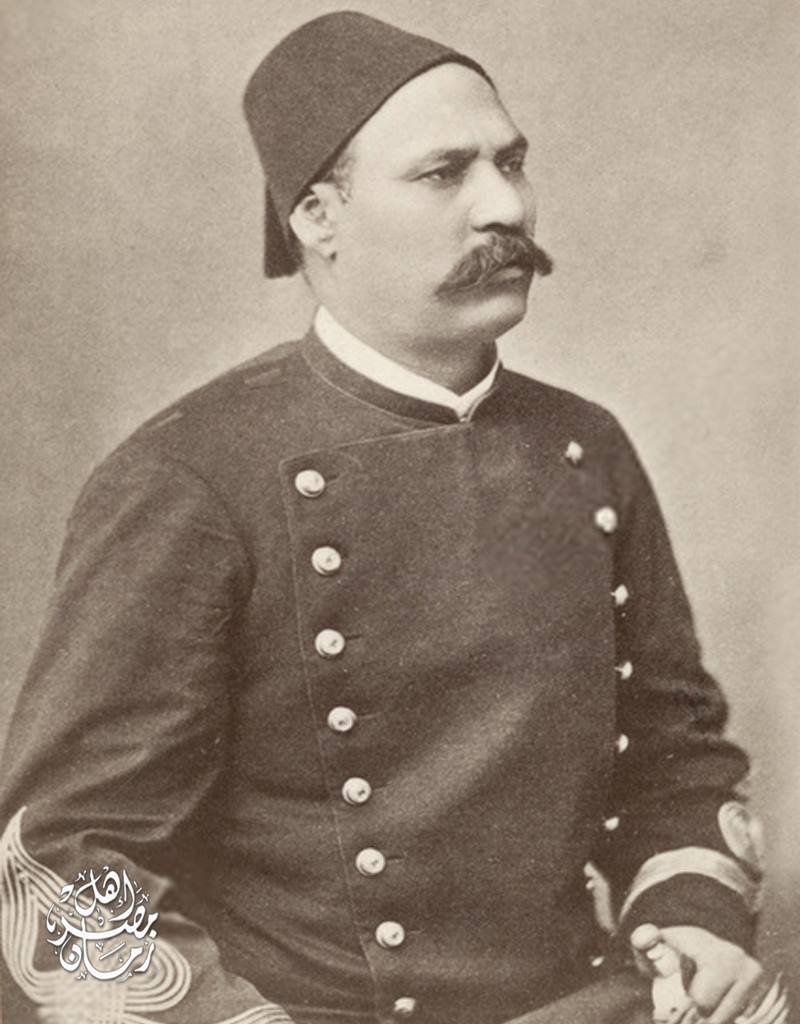
Nationalist officer Ahmed Urabi, from peasant roots, led the Urabi Revolution (1879–1882) against Khedive Tewfik and foreign powers. His failed revolt led to British occupation and his exile. A biopic could capture 19th-century Egyptian turmoil and the roots of modern nationalism, exploring failed revolutions.
7- Heba Selim
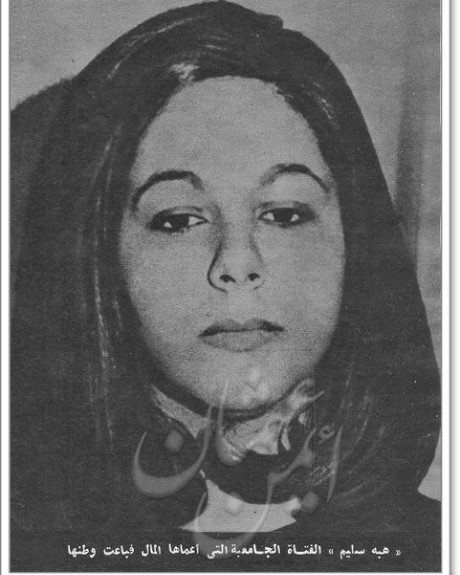
Heba Selim, recruited by Israeli intelligence in France, spied against Egypt by passing secrets through her army officer husband during the 1973 war. She was executed by hanging for treason in Egypt.
A loosely based film was released in 1978, starring Mediha Kamel and directed by Kamal El-Sheikh.
8- Raya and Sakina
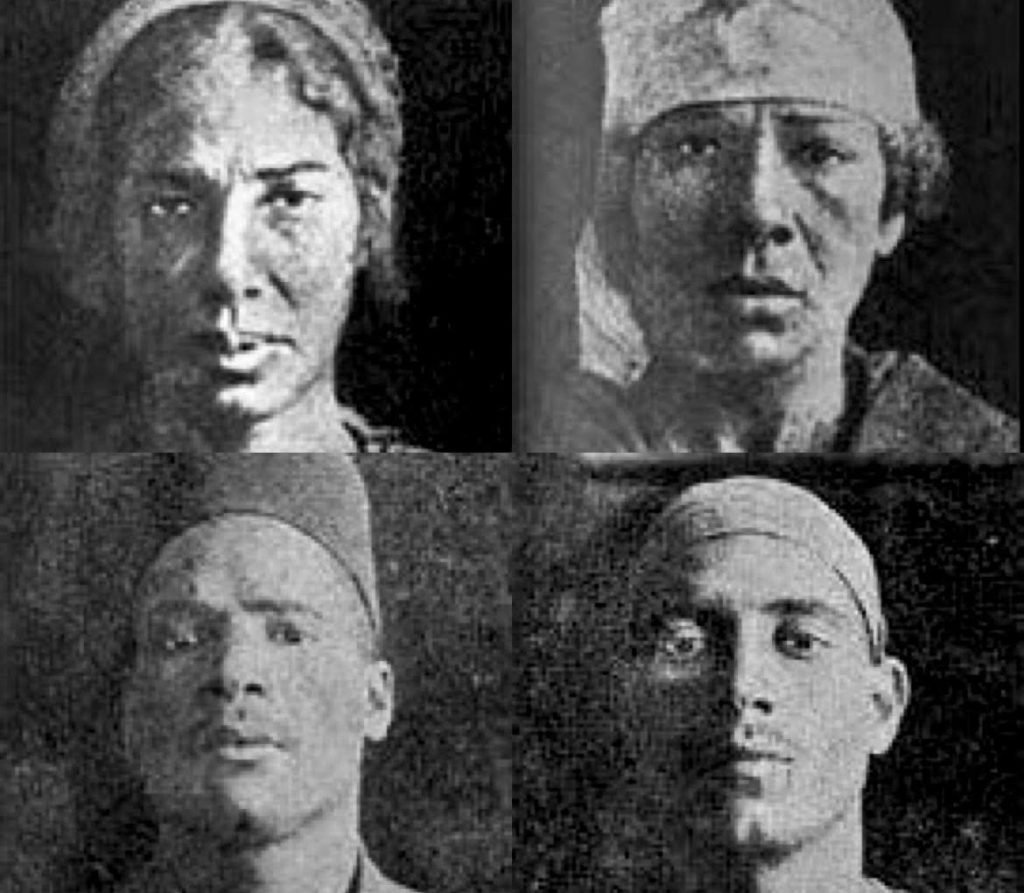
A serious biopic about Raya and Sakina could succeed at the box office, given public interest in true crime as with ‘Safah El Giza’ and ‘Saa’to W Tarikho.’ Their story has endured in folklore, inspiring many adaptations because of its brutality and cultural impact.
Egypt’s first notorious female serial killers, in 1919–1920, ran brothels and, with their husbands and accomplices, lured, murdered, and buried at least 17 women (mostly sex workers) under their houses for their jewelry.
9- Naima Akef
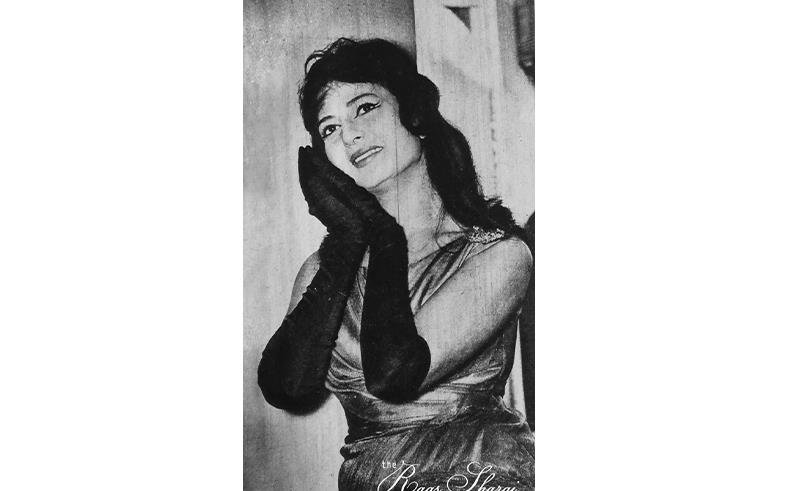
Naima Akef, raised in a circus and brutally trained, became a star through discipline but burned out early. In Egyptian cinema’s golden age (1940s–50s), she starred in 25+ musicals. She was named “World’s Best Dancer” at the 1957 Moscow festival, but retired young and died of cancer at 36.
Her rise from circus performer to international icon highlights mid-20th-century Egyptian arts, the empowerment of women in entertainment, and the tragedy of stardom. Depending on the director, her story could be a labor narrative about pressure and how entertainment consumes women behind glamour.
10- Ali El Kassar
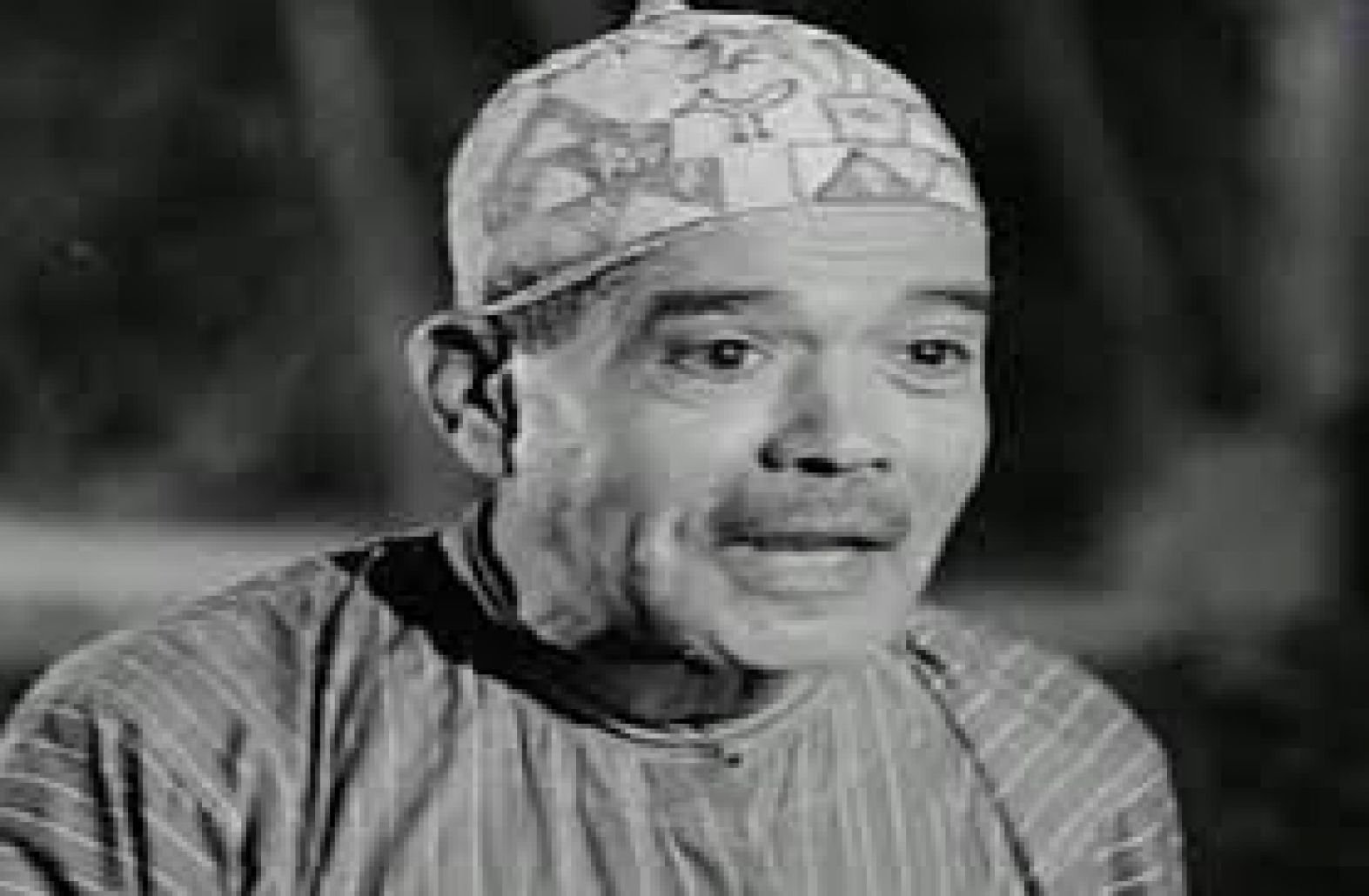
Ali Al-Kassar, a pioneering comedian, actor, and writer, was called the “King of One-liners.” He created the character “Al-Barbari” to satirize society with mimicry and humor. He starred in early Egyptian films and plays, merging slapstick and social commentary to shape Arab comedy.
Despite his immense impact, El Kassar died poor after public attention shifted to newer comedians, such as Ismael Yassin, who sidelined him, left him indebted, and forced him to accept smaller roles. He tragically passed away from prostate cancer.
11- Youssef Wahbi
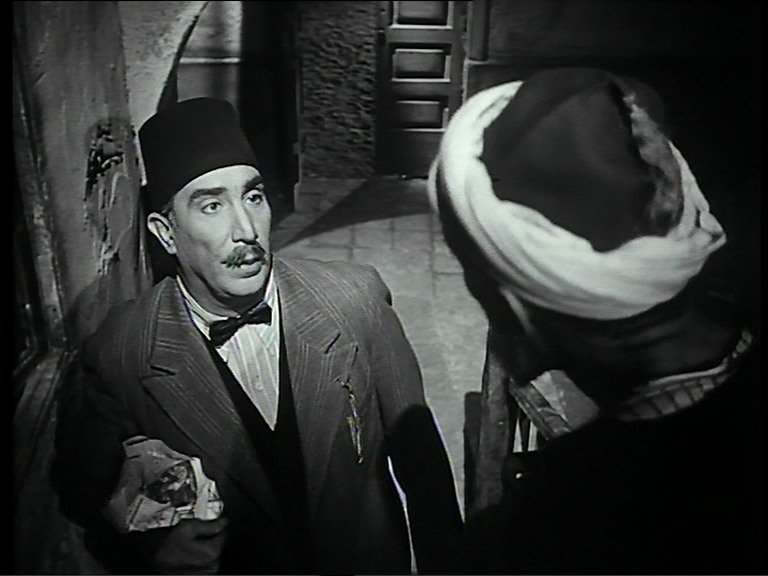
Youssef Wahbi was a towering figure in Egyptian arts: a multilingual, versatile stage and film actor, director, writer, and producer, known as the “Dean of Arab Theater.” He played dramatic, comedic, and social-issue roles, elevating Egyptian theater and helping establish sound films.
A Youssef Wahby biopic would be rich, given the icon’s rebellious nature, shown through his fleeing to Italy to study acting despite his family’s refusal, as well as being a polarizing figure that challenged societal norms, and would shed light on gambling addiction, which strained his marriage.
It’s hard to imagine that the budget for ‘El-Sett’ will be matched anytime soon, or five different production companies collaborating on another biopic. Yet, if there’s one lesson from the film industry, it’s that when a project succeeds, studios quickly capitalize on it.
No doubt, another high-budget biopic is already in development. Omar Sharif seems the most likely one to happen next, especially given the writer’s recent confirmation.
Let us know which figures you’d like to see a biopic based on next.